
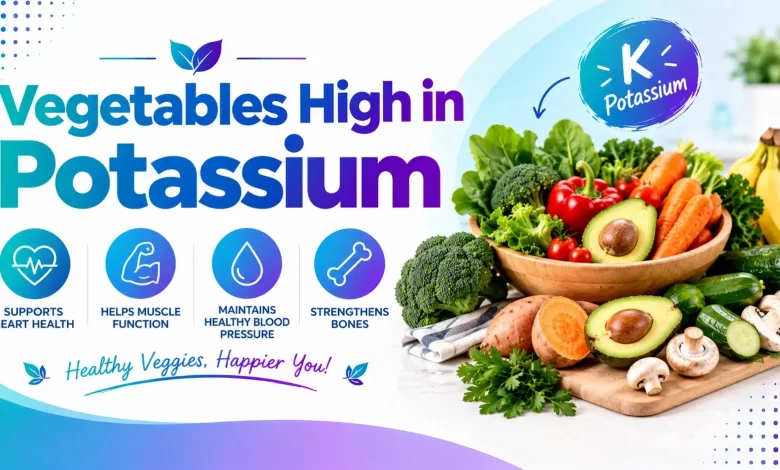
Potassium is an essential mineral that helps your body maintain fluid balance, support normal muscle contractions, and transmit nerve signals. It also plays an important role in maintaining a healthy blood pressure. One simple way to increase your potassium intake is to eat a variety of vegetables throughout the week.
Leafy greens, potatoes, mushrooms, root vegetables, and winter squash can all contribute potassium while providing other valuable nutrients, including fiber, vitamins, and antioxidants. You’ll have no trouble getting your 3.5 grams of potassium when you make these vegetables high in potassium part of your regular menu.
Each of them not only gives you a strong dose of potassium, but helps cover your bases with additional vitamins and minerals, fiber, and in some cases protein.
Eat more of these Vegetables high in potassium, to increase your daily potassium consumption. In this guide, you’ll discover 10 vegetables high in potassium, their approximate potassium content per 100 grams, their nutritional benefits, and practical ways to include them in your meals.
List of Vegetables High in Potassium
1. Spinach: 558mg of Potassium per 100 g
It’s no surprise that spinach is one vegetable with a lot of potassium. It’s well-known for its healthy benefits, and potassium is just one item on a long list of positives.
Spinach has built up its image of a healthy vegetable by bringing much to the table. It’s a good source of iron, as well as fiber, and it even provides some protein.
It’s one of the most well-rounded vegetables with potassium around, and the phytonutrient content along makes it worthwhile to eat as part of an anti-cancer and heart healthy diet plan.
– Health benefits of spinach:
- Supports normal muscle and nerve function: Its potassium contributes to the body’s electrolyte balance.
- Provides important vitamins: Spinach supplies folate and vitamin K, which have essential roles in normal body functions.
- Adds fiber to meals: Fiber supports digestive health and helps make meals more satisfying.
- Offers plant antioxidants: Spinach contains carotenoids and other compounds that contribute to a varied, plant-rich diet.
– How to eat more spinach:
Add fresh spinach to omelets, lentil dishes, soups, sandwiches, or smoothies. You can also sauté it with garlic and a little olive oil for a quick side dish.
Baby spinach is particularly convenient for salads because its leaves are tender and have a milder flavor.
2. Kale: 491 mg of Potassium per 100 g
Kale is a nutritional powerhouse, providing a mix of vitamins, minerals, protein, fiber and high in Potassium that make it one of the healthiest veggies you can eat. It’s also a decent source of potassium, rivaling spinach for the top spot.
Kale is one of the more trendy vegetables, and has enjoyed a big surge in popularity in recent years. That doesn’t mean you should avoid it as a fad, as it lives up to the hype and is a vegetable that you should become familiar with if you aren’t already.
It provides a nice break from spinach, and has its own unique flavor profile.
– Health benefits of kale
- Provides vitamin C: This vitamin supports normal immune function and collagen production.
- Contributes vitamin K: Vitamin K is important for normal blood clotting and bone health.
- Supplies dietary fiber: Fiber supports digestion and can help meals feel more filling.
- Adds beneficial plant compounds: Kale contains carotenoids and other phytochemicals.
– How to eat more kale
Massage finely chopped kale with a little olive oil and lemon juice to soften the leaves before making a salad. You can also add it to soups, vegetable curries, stir-fries, or smoothies.
For a crunchy snack, toss kale leaves with a small amount of oil and seasoning, then roast them until crisp.
3. Potatoes: Approximately 421 mg of Potassium per 100 g
Potatoes may have gotten a reputation as being unhealthy, but that’s only because the most common ways of eating them, French fries and potato chips, don’t put it in the best light. They’re a good source of potassium, just be sure you make them in a healthier way, like baking them.
You can also opt for sweet potatoes if you’d like, as they’re also a good source of potassium at 337mg (10% DV) for the same 100g serving size. They’ll also give you Vitamin A in the form of beta-Carotene, and extra fiber.
– Health benefits of potatoes:
- Provide potassium: Potassium helps regulate fluid balance and supports normal muscle and nerve function.
- Supply energy: Potatoes provide carbohydrates that the body can use for fuel.
- Contain vitamin B6: This vitamin helps the body carry out several metabolic processes.
- Can contribute fiber: Keeping the skin on, when appropriate and thoroughly washed, can add fiber.
– How to eat more potatoes:
Try baked potatoes topped with plain yogurt, herbs, and vegetables. You can also make boiled potato salads, roasted potato wedges, or vegetable-filled potato bowls. Sweet potatoes are another nutritious option. They provide potassium as well as beta-carotene, which the body can convert into vitamin A.
4. Brussels Sprouts: Approximately 389 mg of Potassium per 100 g
Brussels sprouts might not top the list of tastiest vegetables, but they do rank fairly high for potassium. At 10% of your daily need for potassium, Brussels sprouts are right on par with some of the top fruits with potassium.
Brussels sprouts are part of the cruciferous vegetable family, a group of vegetables that is consistently being linked to anti-cancer benefits. They provide fiber and a ton of Vitamin C, even more Vitamin C than an orange.
We typically don’t associate vegetables with Vitamin C, but this is one source that shouldn’t be ignored.
– Health benefits of Brussels sprouts:
- Support digestive health: Their fiber contributes to normal bowel function.
- Provide vitamin C: This nutrient helps support immune function and collagen formation.
- Supply vitamin K: Vitamin K is involved in blood clotting and bone metabolism.
- Contribute plant compounds: Brussels sprouts contain glucosinolates and other naturally occurring compounds studied for their potential health effects.
Eating cruciferous vegetables as part of a varied diet is a sensible way to increase vegetable intake. However, no single vegetable can guarantee protection against cancer or other diseases.
– How to eat more Brussels sprouts:
Cut the sprouts in half, toss them with a small amount of olive oil, and roast until the edges turn golden brown. Add lemon juice, black pepper, or garlic for extra flavor. They also work well in stir-fries, grain bowls, and warm salads.
5. Artichokes: Approximately 370 mg of Potassium per 100 g
Artichokes may not be the first thing that pops in your head when thinking of potassium-filled vegetables, but they merit a purchase, since they’ll give you 11% of your total need for the day, and they’ll taste great while getting it.
If you’re not familiar with how to prepare artichokes for eating, it’s worth the time investment, as these are one of the tastier vegetables that offer more health benefits than just their potassium content.
They may be a little off-putting because of their size and shape, but once you get a handle on taking raw artichokes and making them edible, you’ll have another tool for meeting your potassium needs.
– Health benefits of artichokes:
- Help increase fiber intake: Fiber supports digestion and contributes to bowel regularity.
- Provide folate: Folate is necessary for DNA synthesis and normal cell division.
- Contribute potassium: Potassium supports normal fluid balance, muscle contractions, and nerve signaling.
- Supply plant antioxidants: Artichokes contain naturally occurring compounds, including polyphenols.
– How to eat more artichokes:
Steam whole artichokes and serve them with lemon juice, or add artichoke hearts to salads, pasta, grain bowls, and vegetable dishes. You can also combine them with beans, tomatoes, and leafy greens for a more filling meal.
6. Portobello Mushrooms: Approximately 364 mg of Potassium per 100 g
You can’t go wrong by going with Portobello mushrooms when you’re looking to increase your potassium. A 100 gram serving gets you a tenth of your daily requirement, making it easier to accumulate the rest of your needs throughout the day.
Portobello mushrooms are easily identifiable in the mushroom area of the produce section. Other mushrooms also provide you with potassium, such as chanterelle, enoki, oyster, and shiitake. It’s a safe bet putting mushrooms in your cart, as they’ll not only help you hit your potassium target, but they also contain additional vitamins and minerals, as well as fiber to help your overall health.
– Health benefits of Portobello mushrooms:
- Provide potassium: They contribute to your overall daily potassium intake.
- Supply B vitamins: Mushrooms can provide nutrients involved in energy metabolism.
- Add flavor without requiring much salt: Their savory taste can make meals satisfying when seasoned with herbs and spices.
- Offer a versatile alternative to meat: Their texture works well in a range of vegetarian meals. Mushrooms are not nutritionally identical to meat, however. If you use them as a meat substitute, include other protein sources such as beans, lentils, tofu, eggs, or yogurt as appropriate for your diet.
– How to eat more Portobello mushrooms:
Grill or roast whole Portobello caps with garlic, black pepper, and herbs. Slice them into fajitas, add them to pasta, or use them in a vegetable burger.
7. Winter Squash: Approximately 350 mg of Potassium per 100 g
Winter squash will bring you much closer to hitting your requirement of 3.5 grams of potassium each day, with 10% coming from a 100 gram serving.
Winter squash, as the name implies, is best eaten in the winter, as it is harvested at the perfect time to help us through the cold winter months. Depending on the season you may find different squash types are more available than others.
Acorn squash is another excellent source of potassium, so consider going with that when there’s no winter squash available.
– Health benefits of winter squash:
- Contributes potassium: It can help you obtain this essential mineral from ordinary foods.
- Provides fiber: Fiber supports digestive health and can contribute to fullness.
- Supplies carotenoids: Orange-fleshed varieties often contain beta-carotene, which the body can convert into vitamin A.
- Adds variety to meals: Its naturally sweet flavor works well in both savory and mildly sweet recipes.
– How to eat more winter squash:
Cut the squash into cubes and roast it with olive oil, black pepper, and herbs. You can also blend cooked squash into soups, add it to curries, or serve it alongside beans and whole grains.
8. Beets: 325mg Potassium (9% DV)
Beets have been making health news in recent years because of the Betalins they contain, a powerful antioxidant that is only found in a limited number of foods. They’re also a quality source of potassium, and will contribute to your total for the day.
Beets provide a great amount of fiber as well, and if you consume the 100 gram serving that nets you 9% of your potassium, you’ll also be getting 10% of your fiber for the day. They’re also rich in magnesium and iron, and even provide some protein.
– Health benefits of beets:
- Supply folate: Folate helps the body make DNA and supports normal cell division.
- Provide fiber: Fiber contributes to digestive health. Contain plant pigments: Betalains give beets their characteristic color and have antioxidant activity in laboratory studies.
- Contribute potassium: Beets can help diversify your sources of this mineral. Beets also contain naturally occurring nitrates.
Research has investigated their potential effects on blood pressure and exercise performance, but results depend on the population, preparation, and amount consumed.
– How to eat more beets:
Roast peeled beet cubes until tender, grate raw beets into salads, or blend cooked beets into soups. You can also pair them with chickpeas, leafy greens, and a lemon-based dressing.
9. Carrots: Approximately 320 mg of Potassium per 100 g
Carrots are known for their beta-Carotene and ability to help improve eyesight, but they’re also a good source of potassium, making out list in the number nine spot.
Carrots also contain fiber, as well as some Vitamin C, so it’s really not just a matter of eating them for their potassium, but because they offer a broader nutritional profile. These are a crunchy vegetable that you should get more of because they benefit several areas of the body with their nutritional makeup.
– Health benefits of carrots:
- Provide beta-carotene: This compound can be converted into vitamin A.
- Support digestive health: Carrots provide dietary fiber.
- Contribute potassium: They help add variety to your mineral intake.
- Offer convenient nutrition: Carrots can be eaten raw, cooked, or incorporated into many dishes.
– How to eat more carrots:
Enjoy carrot sticks with hummus, grate carrots into salads, or add chopped carrots to soups, lentils, and vegetable curries. Roasting carrots with a little olive oil and black pepper brings out their natural sweetness. You can also add them to homemade sauces and stews.
10. Broccoli: Approximately 316 mg of Potassium per 100 g
It’s a bit shocking that broccoli barely makes our list of potassium-rich vegetables. It has so many healthy properties that it’s often referred to as one of the healthiest veggies on the planet.
Broccoli is so good for you than some health experts recommend eating it everyday. It’s a great source of fiber, and the same 100 gram serving gets you 10% of your daily value of fiber.
You’ll also get 5% of your protein for the day since broccoli is a good source of plant protein. Because of the fiber and protein you’ll feel full longer, making broccoli a fantastic choice for weight loss.
– Health benefits of broccoli:
- Provides vitamin C: Vitamin C supports collagen production and helps the body absorb non-heme iron from plant foods.
- Contributes fiber: Fiber supports bowel regularity and digestive health.
- Supplies vitamin K and folate: These nutrients support several essential body functions.
- Contains beneficial plant compounds: Broccoli provides glucosinolates and other naturally occurring phytochemicals.
– How to eat more broccoli:
Steam broccoli until tender but still slightly crisp, roast it with garlic and olive oil, or add it to stir-fries and soups. You can also combine broccoli with brown rice, tofu, chickpeas, or another protein source to make a balanced meal.
How Much Potassium Do You Need Each Day?
Potassium requirements vary by age, sex, life stage, and the dietary guidelines being used. The US National Institutes of Health Office of Dietary Supplements lists adult adequate intakes of approximately 3,400 mg per day for men and 2,600 mg per day for women, including pregnant women. The recommended amount for breastfeeding women is higher.
These figures are adequate intakes, not a universal target for every person. Different authorities may use different reference values. You also do not need to get all your potassium from vegetables. Other sources include beans, lentils, fruit, dairy products, nuts, seeds, and other whole foods.
The easiest approach is to spread potassium-rich foods across your meals rather than trying to obtain a large amount from one food.
Can You Eat Too Much Potassium?
For most healthy people, the kidneys regulate potassium levels by removing excess amounts through urine. However, too much potassium can be dangerous for people whose bodies cannot remove it effectively.
People with chronic kidney disease, certain other medical conditions, or those taking medications that raise potassium levels may need to limit some potassium sources. Examples of relevant medications include certain blood pressure medicines, such as ACE inhibitors and ARBs, and potassium-sparing diuretics.
If you have kidney disease or take medicines that can affect potassium, ask your healthcare professional how much potassium is appropriate for you. Do not make major dietary changes or start potassium supplements or potassium-based salt substitutes without appropriate medical guidance.
For people who need to monitor potassium, the amount in a particular serving and the overall daily intake matter more than whether a food is generally considered healthy.
The Bottom Line
Spinach, kale, potatoes, Brussels sprouts, artichokes, mushrooms, winter squash, beets, carrots, and broccoli can all contribute potassium to your diet while providing other important nutrients.
You do not have to eat every vegetable on this list or reach a specific amount from vegetables alone. Focus on eating a variety of vegetables, preparing them in ways you enjoy, and combining them with other nutritious foods.
If you have a medical condition that affects potassium regulation or take medication that can increase potassium levels, consult your healthcare professional before making substantial dietary changes.
Frequently Asked Questions
Which vegetable has the most potassium?
Are potatoes a good source of potassium?
Are cooked vegetables higher in potassium than raw vegetables?
Can eating potassium-rich vegetables help lower blood pressure?
Do I need potassium supplements if I eat these vegetables?