Guava leaf tea is a traditional herbal infusion made from the leaves of the guava plant (Psidium guajava). While guava fruit is widely enjoyed for its sweet taste and nutritional value, the leaves have long been used in traditional medicine for their powerful health benefits.
In recent years, guava leaf tea has gained global attention as a natural remedy for digestive issues, blood sugar management, and overall wellness.
This caffeine-free herbal tea is valued for its rich antioxidant content and therapeutic properties, making it a popular choice among people seeking natural alternatives to support their health.
What Is Guava Leaf Tea?
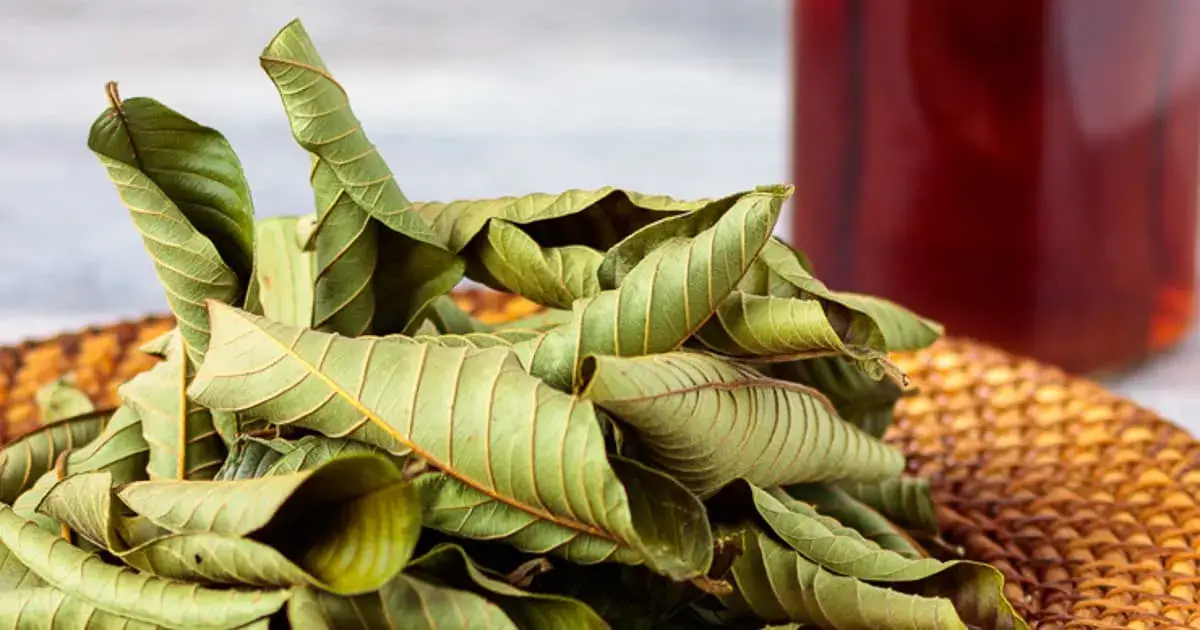
Guava leaf tea is prepared by boiling or steeping fresh or dried guava leaves in hot water. The guava plant is native to Central America but is now cultivated in many tropical and subtropical regions worldwide.
Unlike the fruit, guava leaves contain high concentrations of bioactive compounds that contribute to their medicinal effects. These leaves have been used for centuries in Ayurvedic, Chinese, and folk medicine to treat a wide range of ailments.
Nutritional and Bioactive Compounds in Guava Leaves
Guava leaves are rich in several beneficial compounds, including:
- Flavonoids (such as quercetin) – powerful antioxidants that reduce inflammation
- Polyphenols – help combat oxidative stress
- Tannins – known for antimicrobial and digestive benefits
- Vitamins – including vitamin C and vitamin A
- Minerals – such as potassium and magnesium
These compounds work together to provide guava leaf tea with its wide range of health-promoting properties.
Health Benefits of Guava Leaf Tea
1. Supports Digestive Health
Guava leaf tea has natural antibacterial and anti-inflammatory properties that may help calm the stomach and support healthy digestion. It has been traditionally used to ease diarrhea and irritation in the gut.
Scientific research shows that guava leaf extracts can inhibit certain diarrhea-causing bacteria, which supports the traditional use for digestive relief.
One of the most well-known uses of guava leaf tea is for digestive relief. It helps:
- Reduce diarrhea by inhibiting harmful gut bacteria
- Soothe stomach pain and cramps
- Reduce bloating and indigestion
The antimicrobial properties of guava leaves help maintain a healthy balance of gut bacteria.
2. Helps Manage Blood Sugar Levels
Guava leaf tea is especially beneficial for people with diabetes or those at risk of developing it. According to Studies in animals have shown that extracts from guava leaves can help lower blood sugar and support better glucose control.
In one experiment with diabetic rats, guava leaf extract significantly reduced blood sugar levels and improved how the body used sugar.
- Slows carbohydrate absorption: Guava leaf compounds inhibit enzymes responsible for breaking carbohydrates into glucose.
- Reduces post-meal sugar spikes: Drinking the tea after meals helps prevent sudden increases in blood sugar.
- Improves insulin sensitivity: Enhances how efficiently cells respond to insulin.
- Lower post-meal blood sugar spikes
Regular consumption may help stabilize blood sugar levels over time when combined with a balanced diet.
3. Promotes Heart Health
Guava leaf tea contributes to heart health through its effects on cholesterol levels and blood vessel function. According to Health Line consumption of guava leaf tea may support cardiovascular health:

- Lowers LDL (bad) cholesterol: Helps reduce cholesterol absorption in the intestines.
- Raises HDL (good) cholesterol: Supports healthy lipid balance.
- Improves blood circulation: Antioxidants help maintain flexible and healthy blood vessels.
- Supports blood pressure control: Potassium and flavonoids help regulate vascular tension.
Its antioxidant properties help reduce oxidative damage to blood vessels.
4. Boosts Immune System
Guava leaf tea contains powerful immune-boosting compounds that help the body fight infections and illnesses. Its rich in vitamin C and antioxidant compounds (like quercetin and polyphenols), which help protect your body from free radicals and support the immune system.
Antioxidants are substances that help reduce oxidative stress — a factor in aging and many chronic conditions.
- Antibacterial properties: Effective against several strains of harmful bacteria.
- Antiviral activity: Helps inhibit viral replication in early stages.
- Antioxidant protection: Neutralizes free radicals that weaken immune cells.
- Fever and cold relief: Traditionally used to reduce fever and respiratory symptoms.
- It may also help shorten recovery time from minor illnesses.
5. Aids in Weight Management
While guava leaf tea is not a direct fat-burner, it supports weight management through metabolic regulation.
- Prevents sugar conversion: Inhibits the transformation of complex carbohydrates into sugars.
- Supports metabolism: Helps maintain stable energy levels.
- Low-calorie beverage: A healthy alternative to sugary drinks.
- Reduces cravings: Stabilized blood sugar levels help control hunger.
When combined with exercise and a balanced diet, it can support long-term weight control.
6. Enhances Skin Health
Guava leaf tea benefits the skin both internally and externally due to its antibacterial and antioxidant properties.

According to a study, guava leaves contain antioxidants (like quercetin and catechin) that may help protect skin from oxidative damage and slow signs of aging.
- Skin benefits include: Reduces acne: Helps kill acne-causing bacteria and reduce inflammation.
- Delays aging: Antioxidants slow the breakdown of collagen.
- Promotes clear complexion: Supports detoxification and reduces oxidative stress.
- Wound healing: Traditionally applied to minor cuts and skin infections.
7. Improves Hair and Scalp Health
Guava leaf tea is widely used in natural hair care routines.
- Strengthens hair follicles: Nutrients nourish the scalp and hair roots.
- Reduces hair fall: Improves blood circulation to the scalp.
- Controls dandruff: Antimicrobial properties help fight scalp infections.
- Promotes hair growth: Supports healthier hair growth cycles.
Using guava leaf tea as a hair rinse may enhance results.
8. Reduces Menstrual Pain and Discomfort
Guava leaf tea has been traditionally used to relieve menstrual cramps.
- Relaxes uterine muscles: Reduces cramping intensity.
- Decreases inflammation: Eases pelvic discomfort.
- Improves blood flow: Supports smoother menstrual cycles.
Some studies suggest it may be as effective as mild pain relievers for dysmenorrhea.
9. Supports Oral Health
The antibacterial properties of guava leaves extend to oral hygiene.
- Reduces gum inflammation
- Prevents tooth decay
- Controls bad breath
- Helps heal mouth ulcers
Guava leaf decoctions are sometimes used as a natural mouth rinse.
10. Provides Antioxidant and Anti-Inflammatory Protection
Guava leaf tea offers broad cellular protection through its high antioxidant content.
- Reduces chronic inflammation
- Protects cells from oxidative damage
- May lower risk of chronic diseases
- Supports healthy aging
This makes it beneficial not just for specific conditions but for overall long-term health.
How to Make Guava Leaf Tea
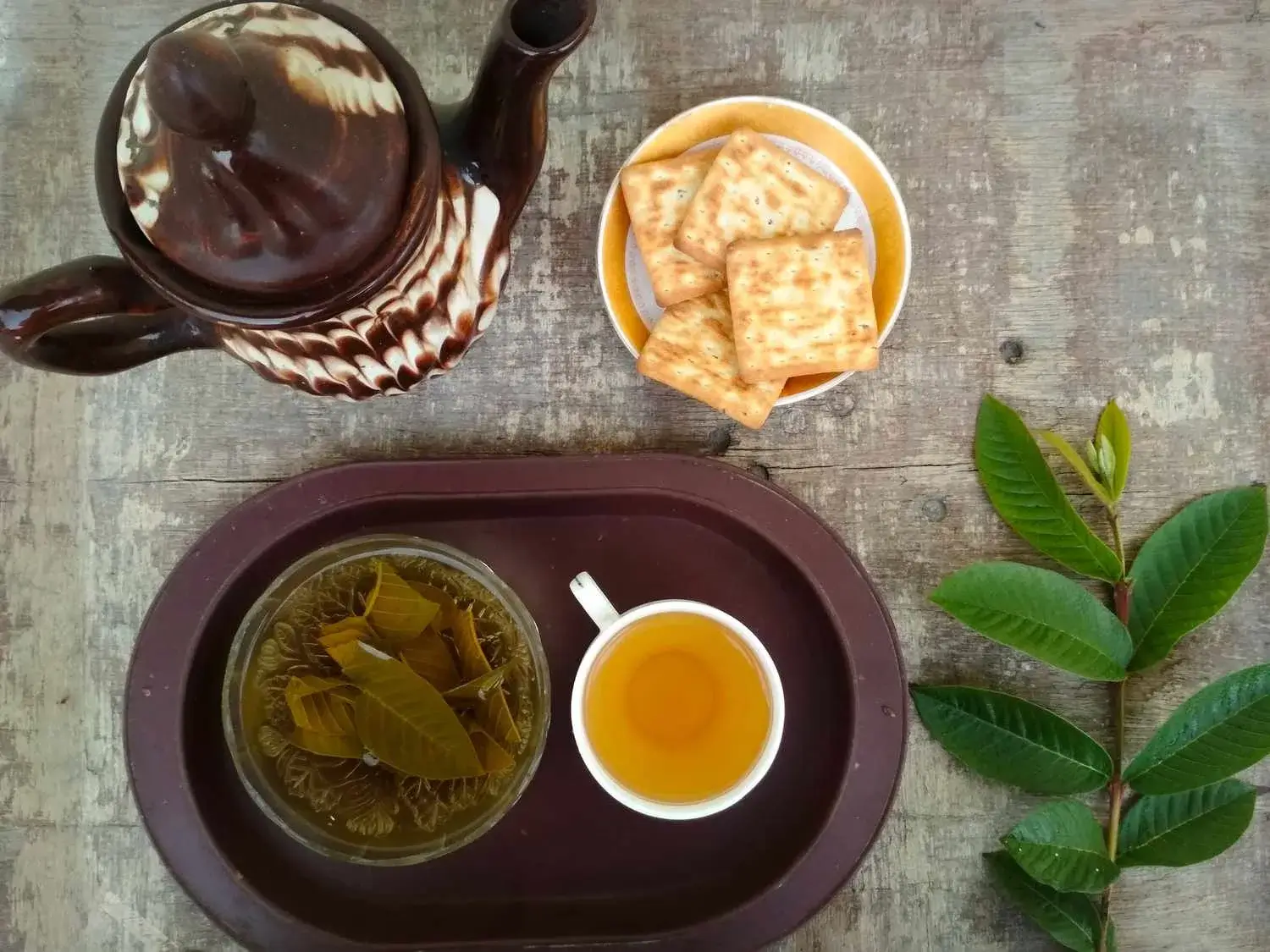
Guava leaf tea is a traditional herbal drink enjoyed in many cultures for its mild, earthy flavor and potential health benefits. Made from the leaves of the guava tree (Psidium guajava), this tea is easy to prepare at home using fresh or dried leaves. Below is a step-by-step guide to help you make guava leaf tea safely and enjoyably.
Ingredients You’ll Need
- 5–10 fresh guava leaves or 1–2 teaspoons dried guava leaves
- 2–3 cups of water
- Optional: honey, lemon, ginger, or cinnamon for flavor
Ways to Make Guava Leaf Tea (Step-by-Step)
- Choose and Clean the Leaves : If using fresh guava leaves, select young, healthy leaves free from spots or damage. Rinse them thoroughly under running water to remove dirt, dust, or insects.
- Boil the Water :Pour 2–3 cups of water into a pot and bring it to a rolling boil.
- Add the Guava Leaves: Once the water is boiling, add the guava leaves. If the leaves are large, you may tear them in half to help release their natural compounds.
- Simmer: Reduce the heat and let the leaves simmer for about 10–15 minutes. The longer you simmer, the stronger and more bitter the tea will become.
- Strain the Tea: Remove the pot from heat and strain the liquid into a cup or teapot, discarding the leaves.
- Add Flavor (Optional) Enhance the taste by adding honey, lemon juice, ginger, or a pinch of cinnamon, depending on your preference.
Best Time to Drink Guava Leaf Tea
- After meals – for blood sugar control
- Morning or evening – caffeine-free and gentle
- Before bed – suitable for relaxation
Avoid drinking on an empty stomach if you have a sensitive digestive system.
Guava Leaf Tea vs Other Herbal Teas
Compared to other herbal teas:
- Guava leaf tea focuses on blood sugar and digestion
- Green tea is higher in caffeine and metabolism-boosting compounds
- Chamomile tea is better for sleep and relaxation
Each herbal tea offers unique benefits, and guava leaf tea stands out for metabolic and digestive support.
Conclusion
Guava leaf tea is a powerful herbal beverage with a long history of traditional use and growing scientific support. From improving digestion and managing blood sugar to supporting heart health and immunity, it offers a wide range of benefits in a natural, caffeine-free form.
When consumed responsibly, guava leaf tea can be a valuable addition to a healthy lifestyle. As with any herbal remedy, moderation and consistency are key, and professional advice should be sought when needed.
Frequently Asked Questions
Can I drink guava leaf tea daily?
Does guava leaf tea help with weight loss?
Is guava leaf tea safe for diabetics?
Are there any side effects of drinking guava leaf tea?
Who should avoid guava leaf tea?