Turmeric is one of the most widely used spices in kitchens around the world. Beyond its vibrant golden color and earthy flavor, turmeric has been used for centuries in traditional medicine systems such as Ayurveda and Traditional Chinese Medicine.
Modern science has also taken a strong interest in this powerful spice. Researchers have conducted thousands of studies on turmeric and its active compound, curcumin, exploring its potential role in reducing inflammation, improving brain function, supporting heart health, and more.
Curcumin, the primary bioactive compound in turmeric, acts as a polyphenol with strong antioxidant and anti-inflammatory properties. Scientific research suggests it may influence several biological processes in the body, including:
- Inflammation regulation
- Oxidative stress reduction
- Blood sugar balance
- Cell signaling pathways
- Brain health and neurotransmitter activity
- Cholesterol and lipid metabolism
Turmeric is also a natural source of nutrients such as vitamin C, vitamin E, vitamin K, potassium, iron, magnesium, copper, dietary fiber, and small amounts of protein.
In this article, we explore the research-backed health benefits of turmeric, possible side effects, and practical ways to include it in your daily diet.
What Is Curcumin and Why Is It Important?
Curcuminoids are the main bioactive compounds present in turmeric and the most important curcuminoid is curcumin with possess numerous medicinal properties. Curcumin is the main active ingredient in turmeric that has powerful anti-inflammatory effects and it is a strong antioxidant.
Several studies suggest that curcumin can reduce inflammation and ease the symptoms of arthritis, prevent and treat breast cancer, colorectal cancer and skin cancer. Other preliminary labs studies suggest that curcumin can provide protection against, Alzheimer’s disease, skin diseases, diabetes, heart disease, etc.
Among these compounds, curcumin is the most biologically active. Research suggests curcumin has powerful:
- Anti-inflammatory properties
- Antioxidant effects
- Antimicrobial activity
- Neuroprotective benefits
According to a review published in Advances in Experimental Medicine and Biology, curcumin may help regulate inflammatory pathways and oxidative stress, which play roles in chronic diseases such as heart disease, diabetes, arthritis, and neurodegenerative disorders.
Laboratory and early clinical studies also suggest that curcumin may help protect against conditions such as:
- Alzheimer’s disease
- Certain cancers
- Diabetes
- Skin disorders
- Cardiovascular disease
However, while many results are promising, experts emphasize that more large human clinical trials are needed to fully confirm these effects.
Top 10 Health Benefits of Turmeric (Science-Backed)
1. Powerful Anti-Inflammatory and Antioxidant Properties
Inflammation is a natural defense mechanism that helps the body fight infections and repair damaged tissues. However, chronic low-grade inflammation is linked to many modern diseases, including heart disease, diabetes, cancer, and Alzheimer’s disease.
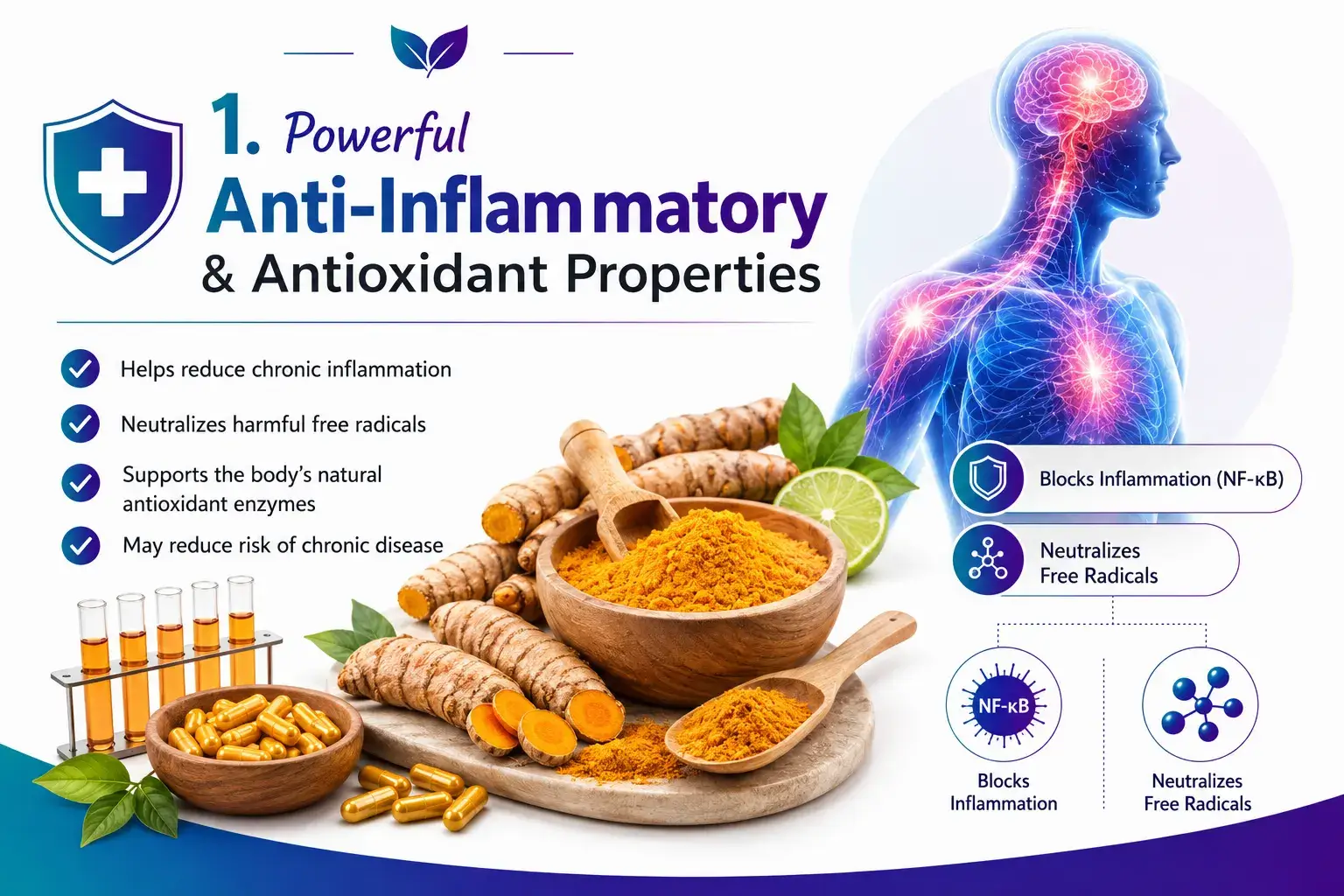
Curcumin has been shown to block several molecules that play major roles in inflammation, such as NF-κB (nuclear factor kappa-B), which regulates inflammatory responses in the body.
Research published in Oncogene suggests that curcumin may help suppress inflammatory pathways similar to some anti-inflammatory medications, although its effects are generally milder and vary by dosage.
Turmeric is also rich in antioxidants that help neutralize free radicals, unstable molecules that damage cells and contribute to aging and disease.
Key benefits:
- Helps reduce chronic inflammation
- Neutralizes harmful free radicals
- Supports the body’s natural antioxidant enzymes
- May reduce risk of chronic disease
2. May Improve Brain Function and Lower Risk of Alzheimer’s Disease
Research shows that a particular growth hormone known as Brain-Derived Neurotrophic Factor (BDNF) can promote new connections in between neurons and also multiply and increase the number of neurons in the brain. Low levels of BDNF are associated with several neurological conditions, including:
- Depression
- Alzheimer’s disease
- Age-related cognitive decline
Some animal and preliminary human studies suggest that curcumin may improve memory, cognitive function, and learning ability.
According to a Research published in The American Journal of Geriatric Psychiatry found that curcumin supplementation improved memory and attention in adults with mild memory complaints.
Curcumin may also help reduce amyloid plaque accumulation, one of the hallmarks of Alzheimer’s disease, although further clinical studies are required. Potential brain health benefits:
- Supports neuron growth
- Improves memory and focus
- May reduce risk of neurodegenerative disease
3. May Help Prevent or Support Cancer Treatment
Curcumin and cancer treatment is one of the most widely researched topics and a number of studies conducted in laboratories show that curcumin does have anticancer effects on cancer cells. Laboratory studies show that curcumin may:
- Slow the growth of cancer cells
- Promote cancer cell death (apoptosis)
- Prevent tumor formation
- Reduce the spread of cancer cells
Research published in Cancer Letters found that curcumin can influence multiple molecular pathways involved in cancer development.
Some early clinical trials also suggest curcumin may enhance the effects of chemotherapy and radiation therapy, particularly in cancers such as:
- Colorectal cancer
- Breast cancer
- Prostate cancer
- Skin cancer
However, turmeric should not be used as a replacement for medical cancer treatments. It may only play a supportive role.
4. Supports Liver Health
The live is one of the most important organs of the body that produces bile that aids digestion, removes toxins from the blood and converts food into energy. But a number of external and internal factors can compromise the liver function.
These factors include oxidative stress, alcohol consumption, hepatitis viruses, certain medications, etc. The liver plays a vital role in:
- Detoxification
- Digestion
- Metabolism
- Hormone regulation
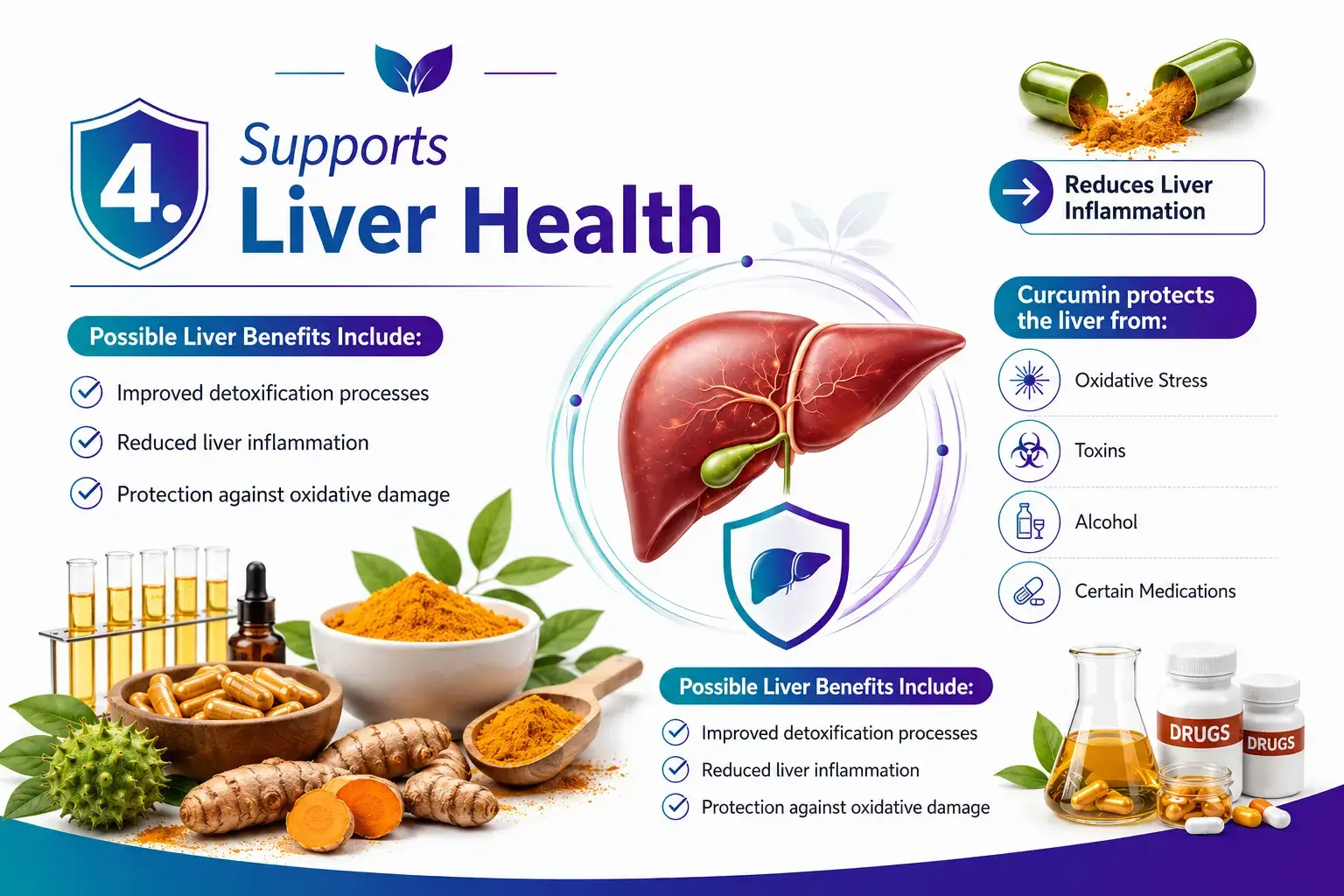
Several studies suggest that curcumin may help protect the liver from oxidative stress and inflammation caused by toxins, alcohol, and certain medications.
A study published in Fundamental & Clinical Pharmacology showed that curcumin may help reduce markers of liver damage and support liver regeneration. Possible liver benefits include:
- Improved detoxification processes
- Reduced liver inflammation
- Protection against oxidative damage
5. Helps Relieve Arthritis Symptoms
Arthritis is characterized by joint pain, swelling, and stiffness caused by inflammation. The potent anti-inflammatory properties of curcumin help with rheumatoid arthritis and osteoarthritis. A study of patients with rheumatoid arthritis shows that curcumin is even more effecting compared to anti-inflammatory drugs.
Due to its anti-inflammatory effects, curcumin may help reduce symptoms of:
- Rheumatoid arthritis
- Osteoarthritis
A study published in Journal of Medicinal Food found that taking turmeric extract alone or in combination with other herbal ingredients reduces pain and improves range of motion is people with osteoarthritis. It also works as a potent painkiller that has ability to manage pain.
The European Journal of Pharmacology published a research that showed that turmeric extracts may improve mobility and reduce joint inflammation. Potential benefits for arthritis:
- Reduced joint pain
- Improved mobility
- Decreased inflammation
6. May Help Reduce Symptoms of Depression
Emerging research suggests that curcumin may influence brain chemicals involved in mood regulation. Curcumin appears to increase levels of:
- Serotonin
- Dopamine
Both neurotransmitters are essential for emotional well-being.
A randomized controlled trial published in Phytotherapy Research compared curcumin with the antidepressant fluoxetine (Prozac). The study found that curcumin improved depressive symptoms and worked even better when combined with medication.
However, curcumin should not replace prescribed antidepressants without medical guidance.
7. May Help Prevent or Manage Type 2 Diabetes
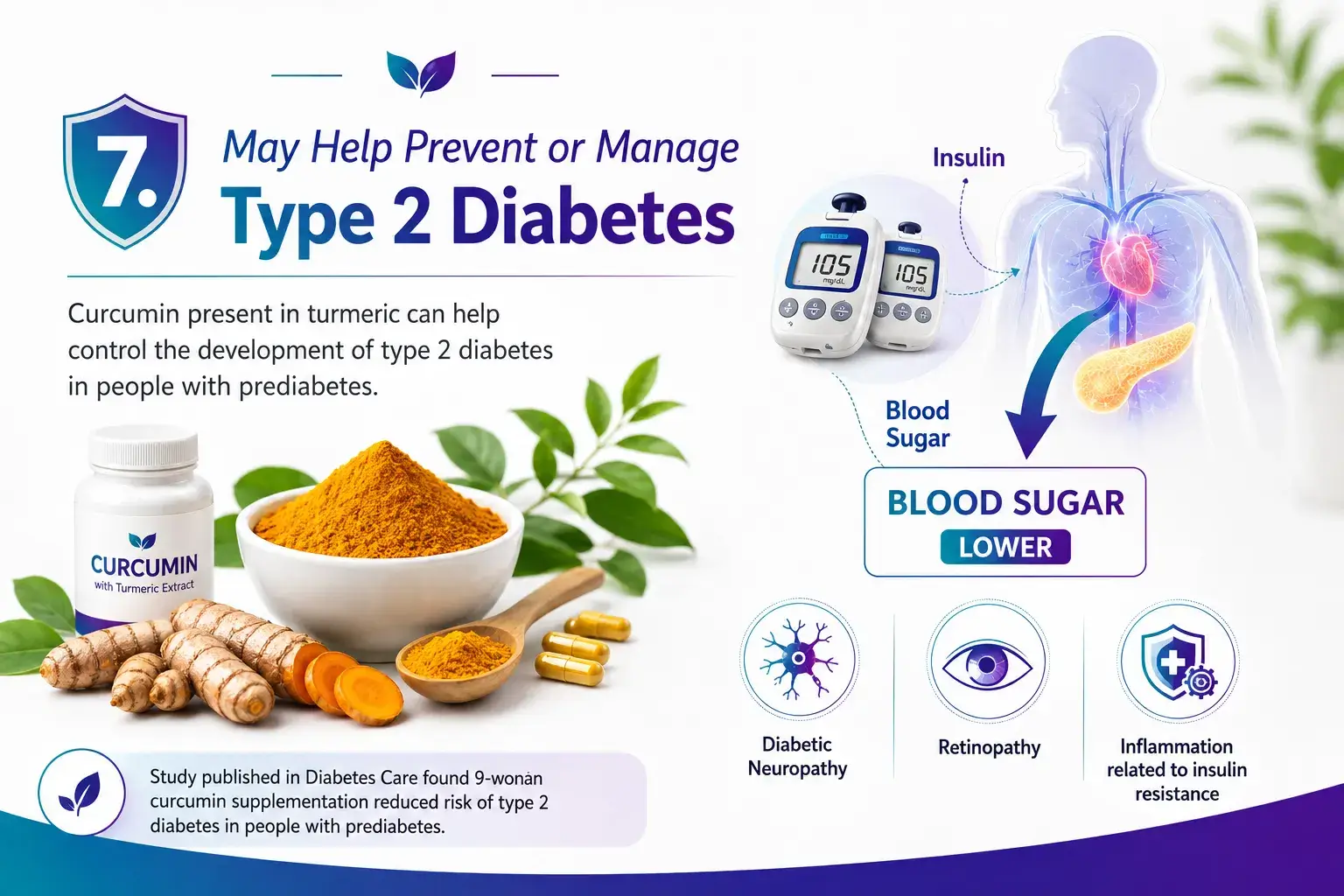
Curcumin present in turmeric can help to control the development of type 2 diabetes in people with prediabetes.
A study published in Diabetes Care found that people with prediabetes who took curcumin supplements for 9 months were significantly less likely to develop type 2 diabetes.
Curcumin may also help reduce complications associated with diabetes, including:
- Diabetic neuropathy
- Retinopathy
- Inflammation related to insulin resistance
Other than correcting the causes of diabetes, curcumin can also reverse a number of issues related to insulin resistance such as diabetic neuropathy and retinopathy thanks to the anti-inflammatory and antioxidant properties of turmeric.
8. Supports Heart Health
According to the World Health Organization, heart disease is one of the main causes of death around the world and there are a number of factors that contribute to it.
Curcumin may support cardiovascular health by improving the function of the endothelium, the inner lining of blood vessels.
Healthy endothelial function helps regulate:
- Blood pressure
- Blood clotting
- Blood circulation
Research published in Nutrition Research suggests curcumin may help lower inflammation and oxidative stress, both major contributors to heart disease.
Potential cardiovascular benefits include:
- Improved blood vessel function
- Reduced inflammation
- Lower oxidative stress
9. May Support Weight Management
Curcumin promotes weight loss and helps to reduce the risk of obesity-related diseases. Research from Tufts University suggests curcumin may suppress the growth of fat tissue and influence hormones related to fat metabolism.
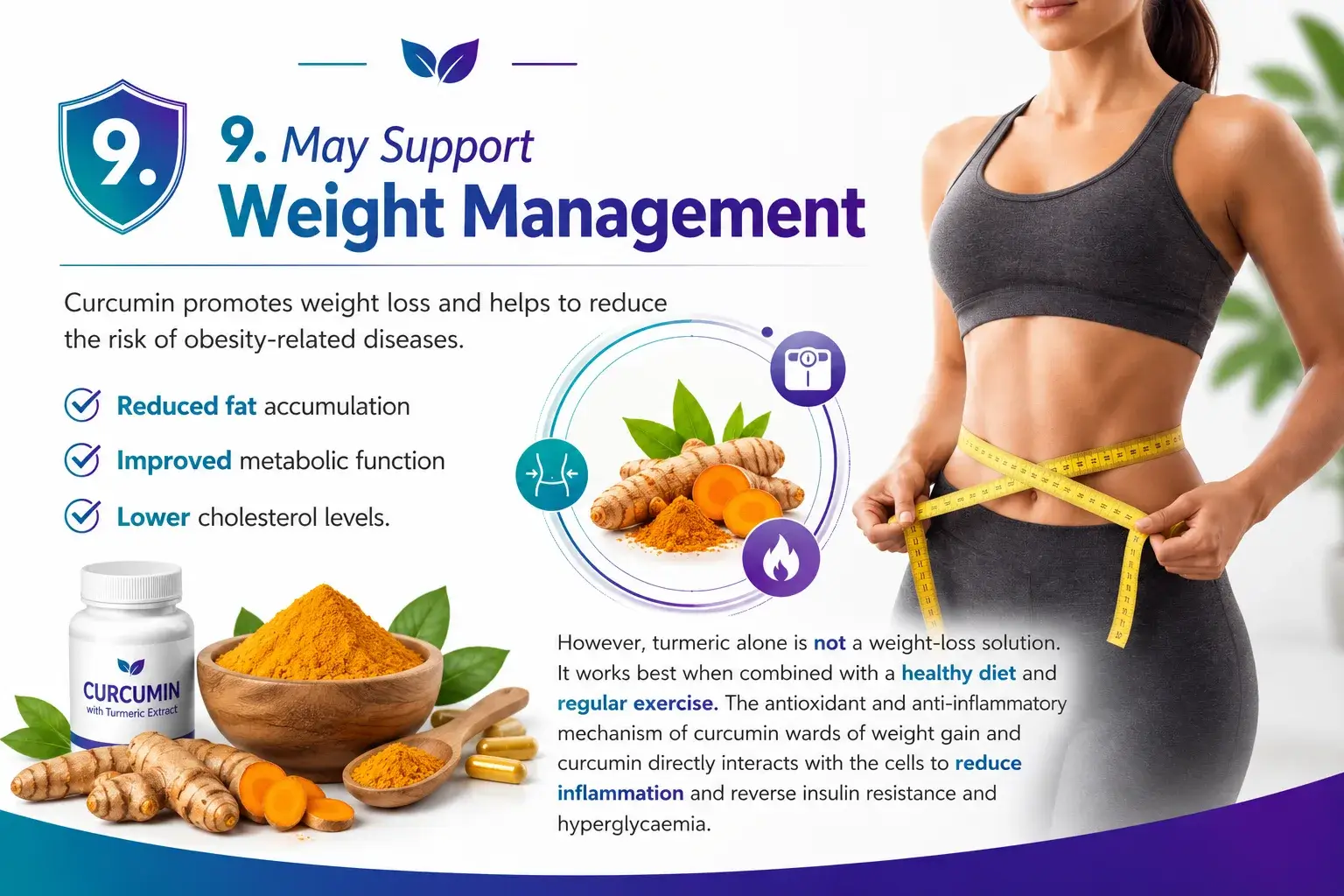
Possible weight-management benefits:
- Reduced fat accumulation
- Improved metabolic function
- Lower cholesterol levels
However, turmeric alone is not a weight-loss solution. It works best when combined with a healthy diet and regular exercise. The antioxidant and anti-inflammatory mechanism of curcumin wards of weight gain and curcumin directly interacts with the cells to reduce inflammation and reverse insulin resistance and hyperglycaemia.
10. Promotes Healthy Skin
The powerful antiseptic and antibacterial properties of turmeric fights pimples and acne and its anti-inflammatory property helps to clear out acne scars and reduce redness, swelling and pain associated with pimples. Its antibacterial, anti-inflammatory, and antioxidant properties may help with:
- Acne and pimples
- Skin redness and irritation
- Minor burns
- Eczema and psoriasis
- Premature skin aging
Some studies suggest curcumin may help reduce UV-induced skin damage and photoaging. Topical turmeric masks are commonly used in natural skincare routines. The antioxidants in turmeric destroy free radicals and prevent premature aging of skin.
Possible Side Effects of Using Turmeric
Turmeric is considered safe when taken orally or applied to the skin. But certain people can have allergic reaction to turmeric after skin exposure. The symptoms of the allergic reaction includes mild, itchy rash.
People suffering from gallbladder problems or those who have bile duct obstruction should avoid turmeric because it can make gallbladder problems worse.
Turmeric is generally considered safe when consumed in moderate amounts, but high doses or supplements may cause side effects in some people. Possible side effects include:
- Allergic skin reactions
- Stomach upset or nausea
- Worsening of GERD symptoms
- Lower blood sugar levels
- Reduced iron absorption
People with the following conditions should consult a doctor before using turmeric supplements:
- Gallbladder disease
- Diabetes
- Bleeding disorders
- Fertility concerns in men
How to Add Turmeric to Your Daily Diet?
Use it to spice up your food – You can include turmeric in your vegetables, eggs and meat dishes to add some zest, nice color, appetizing flavor and lots of health benefits. You can also add it to the boiling water while preparing rice, pasta, soups, etc.
1. Use Turmeric in Cooking
Add turmeric to dishes such as:
- Vegetables
- Curries
- Eggs
- Rice
- Soups
- Meat dishes
It enhances flavor, color, and nutritional value.
2. Drink Turmeric Tea
You can prepare a simple turmeric tea at home.
– Recipe:
- Boil 4 cups of water
- Add 1 teaspoon ground turmeric
- Simmer for 10 minutes
- Strain and add honey or lemon to taste
3. Take Turmeric Supplements
Turmeric supplements are available in capsule or extract form.
Most studies use doses ranging from 500–1000 mg of curcumin per day, but dosage should vary based on health needs and medical advice.
One challenge with curcumin is that it is poorly absorbed by the body. Combining it with black pepper (piperine) can increase absorption by up to 2000%, according to research published in Planta Medica.
Final Thoughts
Turmeric is far more than a common kitchen spice. Scientific research suggests that its active compound curcumin may support overall health by reducing inflammation, protecting cells from oxidative damage, and supporting brain, heart, and metabolic health.
While turmeric shows promising benefits, it should be viewed as part of a balanced diet and healthy lifestyle, not a replacement for medical treatment.
Including turmeric in your meals regularly—or using supplements under medical guidance—may help support long-term health and well-being.