


Codeine is a widely prescribed opioid medication used to treat mild to moderate pain and sometimes persistent cough. While it has legitimate medical uses, some individuals misuse it seeking relaxation or euphoria. This recreational use is dangerous because the line between a therapeutic dose and a potentially life-threatening amount can be very small and varies significantly from person to person.
Many online searches ask, “How much codeine to get high?” However, there is no safe amount for recreational use. The body processes codeine differently depending on genetics, liver function, drug interactions, and tolerance levels, meaning even seemingly moderate amounts can cause overdose in some individuals.
In this article, we will discuss this question that is being searched over the search engines – how much codeine to get high?
What Is Codeine?
Codeine belongs to the opioid (narcotic) class of medications. It works by binding to opioid receptors in the brain and spinal cord, reducing the perception of pain and suppressing the cough reflex.
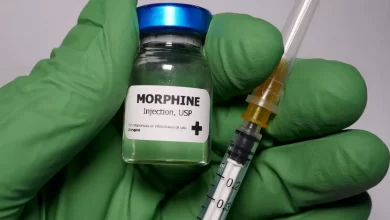
Once ingested, the liver converts a portion of codeine into morphine, which produces most of its pain-relieving and sedative effects. Because this conversion varies widely between individuals, the same amount of codeine can produce mild effects in one person and dangerously strong effects in another.
– Codeine is commonly found in:
- Prescription pain medications
- Combination tablets containing paracetamol (acetaminophen)
- Prescription cough syrups
- Some regulated over-the-counter preparations in certain regions
Can Codeine Cause a “High”?
Yes, opioids like codeine can produce feelings such as:
- Mild euphoria
- Relaxation
- Sleepiness
- Reduced anxiety
- Pain relief
However, these effects are temporary and unpredictable. As the brain adapts, people may require larger amounts to feel similar effects, which significantly increases the risk of addiction and overdose.
Medical experts emphasize that attempting to use codeine recreationally is unsafe because the difference between an amount that causes sedation and an amount that dangerously slows breathing can be very small.
Short-Term Side Effects of Codeine Misuse
Even short-term recreational use can cause noticeable side effects:
- Drowsiness or extreme sleepiness
- Dizziness
- Nausea and vomiting
- Constipation
- Confusion
- Slurred Speech
- Poor coordination
- Itching or sweating
- Headache
- Diarrhea
These symptoms may appear mild initially but can escalate rapidly, particularly when larger amounts are taken.
Long-Term Effects of Codeine Misuse
Repeated misuse of codeine can lead to lasting health consequences:
- Physical Dependence: The body adapts to the presence of opioids, leading to withdrawal symptoms when the drug is stopped.
- Addiction (Opioid Use Disorder): Addiction involves compulsive drug use despite harmful consequences and often requires professional treatment.
- Liver Damage: Many codeine products contain paracetamol (acetaminophen). High amounts can cause severe liver injury, sometimes requiring transplant.
- Mental Health Effects: Long-term misuse may increase the risk of: Depression, Anxiety, Cognitive impairment and Mood instability.
- Digestive Problems: Chronic constipation can become severe and lead to long-term gastrointestinal complications.
Potentially Dangerous Side-Effects
Codeine is an addictive drug with Serious and Dangerous Side Effects More severe reactions can occur, especially at higher amounts or when combined with other substances:
- Severe respiratory depression (slow or stopped breathing)
- Extremely low blood pressure
- Fainting
- Seizures (in some cases)
- Bluish lips or fingertips (oxygen deprivation)
- Coma
Respiratory depression is the primary cause of opioid-related fatalities, making misuse particularly dangerous.
Usual Dose of Codeine
The appropriate dose of codeine is determined by a qualified healthcare professional based on several factors, including the patient’s age, body weight, medical history, the condition being treated, and the use of other medications. Codeine is typically prescribed for short-term relief of mild to moderate pain or for cough suppression, and it should always be taken strictly according to medical advice.
For most adults, the commonly prescribed oral dose ranges from 15 mg to 60 mg every 4 to 6 hours as needed, depending on the severity of symptoms and individual response to the medication. Healthcare providers usually recommend starting with the lowest effective dose and adjusting only if necessary. In general clinical practice, the maximum total dose should not exceed 360 mg within a 24-hour period, unless specifically directed and monitored by a physician.
Taking codeine in amounts higher than prescribed does not necessarily improve pain relief and can significantly increase the risk of harmful side effects. Excessive doses may lead to drowsiness, confusion, nausea, vomiting, slowed breathing, dangerously low blood pressure, dependency, overdose, or even death. Because codeine is an opioid medication, misuse—especially taking it in large quantities or combining it with alcohol or other sedatives—can be extremely dangerous.
If the prescribed dose does not adequately control symptoms, it is important to consult a healthcare professional rather than increasing the dose on your own. A doctor may adjust the treatment plan, recommend alternative medications, or evaluate whether another underlying issue is present.
Codeine Overdose: Signs and Symptoms
Recognizing overdose signs quickly can save lives. Common warning signs include:
- Very slow or shallow breathing
- Extreme sleepiness or inability to wake
- Pinpoint pupils
- Bluish lips or fingernails
- Cold or clammy skin
- Gurgling or choking sounds
- Loss of consciousness
An overdose is a medical emergency and requires immediate emergency services.
Withdrawal Symptoms From Codeine
When someone who has developed dependence stops using codeine, withdrawal symptoms may occur within hours to days:
- Anxiety and restlessness
- Sweating
- Muscle aches
- Runny nose
- Nausea and vomiting
- Diarrhea
- Insomnia
- Strong cravings
Although withdrawal is usually not life-threatening, it can be extremely uncomfortable and often leads to relapse without medical support.
Safe Medical Use of Codeine
When prescribed and used correctly, codeine can be an effective short-term medication. Safe-use guidelines include:
- Take only the prescribed dose
- Never mix with alcohol unless approved by a doctor
- Avoid combining with sleeping pills or sedatives
- Do not share medication with others
- Store securely to prevent accidental misuse
- Follow the prescribed duration of treatment
If pain or cough persists, consult a healthcare professional rather than increasing the dosage independently.
Healthier Alternatives for Pain or Cough Management
Depending on the condition, doctors may recommend safer alternatives:
– Non-Opioid Pain Relief
- Paracetamol (as directed)
- NSAIDs such as ibuprofen (if medically appropriate)
- Physical therapy
- Heat or cold therapy
- Exercise and stretching
– Cough Management
- Hydration
- Steam inhalation
- Honey (for adults and older children)
- Prescription non-opioid cough suppressants
When to Seek Medical Help
Consult a healthcare professional if:
- Codeine is needed longer than prescribed
- Pain is not controlled at prescribed doses
- Withdrawal symptoms appear
- There are signs of dependence or cravings
- Side effects become severe
Immediate emergency care is required if overdose symptoms appear.
Concluding Words
In this article, I have tried my best to discuss the side effects, normal dosages and how much codeine is needed to get high.
Searching for “how much codeine to get high” reflects a dangerous misconception. There is no safe recreational amount, and the effects vary widely between individuals. Misuse can quickly lead to respiratory depression, addiction, liver damage, and potentially fatal overdose.
Codeine should always be used only under medical supervision, at prescribed doses, and for the recommended duration. Anyone experiencing cravings, withdrawal symptoms, or difficulty controlling use should seek professional medical support promptly.
In the end, I would just like to say: “If you want to get high, get high in thoughts, and get high on happiness.” Tell me if you have some unanswered questions in your mind. I would love to help you.
Frequently Asked Questions About How Much Codeine To Get High
How much codeine does it take to get high?
What is the dosage of codeine is required for pain relief?
Can codeine make you feel euphoric?
How long does codeine stay in the body?
What should someone do if they think they are becoming dependent?






Share with us in the comments your favorite blog posts of all time!