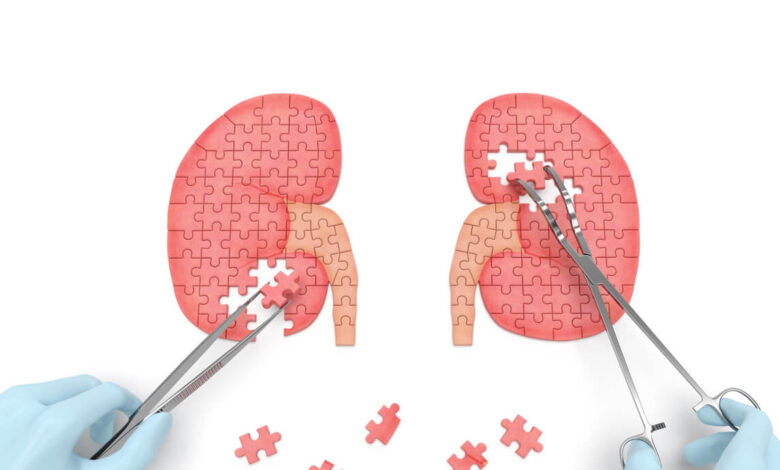
Every single day, our kidneys process 200 quarts of blood to sift out 2 quarts of waste products and extra water.
If they didn’t undertake this complicated chemical exchange, the wastes would build up in the blood and cause damage to our bodies. The kidneys also return some important chemicals (like sodium, phosphorus, and potassium) back into our bloodstream to keep the levels balanced.
As if they weren’t busy enough, they release three important hormones which work to make red blood cells, regulate blood pressure and help maintain calcium for bones.
Amazing, right?
If our kidneys begin to work at a less than optimal level, we can experience all sorts of negative side effects from general fatigue to painful kidney stones. Given that some stones grow to the size of a golf ball, you can see why it’s so important we keep these little organs in tip-top condition!
While generally self-cleansing, sometimes they need a helping hand…and a kidney cleanse is one way to do this.
Why Kidney Cleanse?
1. For General Health
Because today’s world is so full of nasty toxins in the air, in the water, and in our food, our bodies have to work extra hard to expel them.
If you feel tired, experience headaches, water retention, stomach discomforts, or skin problems, then your body may need help flushing out the toxins.
And if you take frequent over the counter or prescription medications, or smoke or drink too much alcohol, you’re heaping even more work on your kidneys.
2. To Prevent Kidney Stones
Kidney stones form when urine contains crystal forming substances (like calcium, oxalate, and uric acid) but not enough fluid to dilute them. Some kidney stones can be simple to dissolve and others…not so much (remember the golf ball?).
According to Mayo Clinic list several symptoms which may indicate the presence of kidney stones. Sufferers may have severe pain in the side and back. which can spread to the lower abdomen and groin, or come in waves and fluctuate in intensity. Your urine might be dark, cloudy or stinky; and you might experience painful or frequent urination; or a persistent need to urinate or passing small amounts of urine. Other symptoms of infection include nausea, vomiting, fever and chills.
Around 10-15% of adults in the US will be diagnosed with a kidney stone in their lifetime, and if you have already suffered one or more attacks, your chances of recurrence are around 70 to 80%!
Disturbingly, the New York Times reported that, not only are cases of adult kidney stones on the rise, so too are cases in kids, and in some as young as five years of age! I’m betting that our salty convenience foods and sugar filled sodas are to blame.
Pretty grim sounding isn’t it?
Well the good news is there are certain factors identifying those who are more at risk of developing the stones, and many of these are preventable through leading a healthy lifestyle.
3. Risk Factors
- Frequent use of medications such as antibiotics and some diuretics
- Gender – men are more likely to suffer than women
- Genetics and family history
- Smoking and excessive alcohol consumption
- High blood sugar and blood pressure
- Obesity
- Cholesterol levels
- Water intake (inadequate hydration)
- A sedentary lifestyle
- An unhealthy diet
- Geographical location! Believe it or not, where you live even influences your susceptibility! The South Eastern part of the US, known as the ‘Kidney Stone Belt’, and regions close to the equator see higher cases of stones due to dehydration.
4. The Vital Role Of Water
One of the simplest ways to both prevent and cure kidney stones is to drink more water. This dilutes the substances that lead to stones, and helps flush out any existing stones.
Aim to drink at least 8 glasses a day. If you exercise, live in a hot climate, or use a sauna, you’ll need to take in extra fluids to compensate for what you sweat out.
That’s it…told you it was simple!
5. The Role Of Diet
As with all other organs in our body, the food we eat plays a vital role in kidney health.
While you can’t influence your gender or genetic make-up, this is one area that you have full control over in relation to preventing kidney stones.
In turn, you’ll help lower your blood sugar and cholesterol levels, and reduce your risk of being overweight or obese.
6. Foods To Avoid For Kidney Health
— Salt
Too much sodium in your diet increases the amount of calcium that your kidneys must filter and therefore increases your risk of kidney stones. While sodium is an essential nutrient, there is too much low grade table salt in processed foods. Avoid these pre-packaged products and only use high quality unprocessed salts that contain the minerals our bodies need.
— Sugar
A high sugar diet interferes with the absorption of calcium and magnesium, which can lead to stone formation. Avoid alcohol, chocolate, sugary candies and refined products such as white flour including pastries, white pasta and white bread. Ditch the sugar laden sodas too as research shows they are no better!
— Caffeine
Because caffeine contributes to dehydration, one of the main causes of stones, it’s best to limit your consumption of tea and coffee to no more than two cups a day. You might want to switch to green tea for all the health benefits it provides.
— Non-Fermented Soy
Research has shown that foods made from non-fermented soy may promote kidney stones in those already susceptible because of high levels of oxalate in these protein rich beans. Fermented soy foods like miso, soy sauce, tamari and tempeh are not thought to have the same effect.
— Too Much Meat
While you don’t need to completely avoid red meat, organ meats and shellfish in your diet, the National Kidney Foundation does recommend reducing the amount you consume. By limiting these foods, you’ll help prevent the build-up of toxic uric acid which causes stones.
7. Foods To Combine For Kidney Health
Something I hear time and time again when it comes to kidney stones is that high oxalate foods (like spinach, strawberries, sweet potatoes, rhubarb and nuts) should be avoided to prevent the formation of calcium oxalate stones.
These are all nutrient rich foods and bring a variety of health benefits so it doesn’t make sense to me to completely remove them from your diet.
I hear the same about calcium. But by removing calcium from your diet you’ll simply jeopardize the health of your nervous system, muscles, heart and bone.
Thankfully, the National Kidney Foundation feels the same as I do. Removing either of these categories from your diet isn’t wise from an overall health perspective!
Instead they suggest consuming calcium and oxalate rich foods together during a meal. So top your natural yogurt with strawberries, and add a little feta cheese to your spinach salad.
By doing this, the oxalate and calcium are more likely to bind to one another before the kidneys begin processing, reducing the risk of kidney stones.
8. Foods To Enjoy For Kidney Health
Not only are antioxidants thought to prevent kidney stone formation, but studies have shown they are powerful enough to actually slow the progression of kidney disease. This may explain why some of the best kidney cleansing foods happen to be high in antioxidants.
— Berries
Try strawberries, blueberries, raspberries or blackberries on top of your oatmeal, in smoothies and with yogurts for an antioxidant rich meal or snack. They contribute to kidney health by reducing inflammation and are high in Vitamin C, fiber, and manganese.
To really step up your kidney cleansing game try cranberries. They have been shown to help fight urinary tract infections (UTIs) (by stopping bacteria sticking to the walls of the bladder and urethra) and they may also rid the kidneys of excess calcium oxalate, one of the main causes of kidney stones.
— Watermelon
Because watermelon contains so much water it acts as a mild diuretic, making it a great addition to your kidney friendly diet. By producing more urine, you’ll be removing waste from your body more quickly.
It’s also rich in vitamin C and lycopene, a nutrient that is especially important for our cardiovascular health. And a healthy heart ensures a good flow of blood to the kidneys, keeping them working to the best of their abilities.
— Apples
High in antioxidants, vitamin C, and fiber, apples have anti-inflammatory compounds which help reduce cholesterol (a risk factor for kidney stones) and keep your heart healthy.
— Beets
These deep red vegetables contain the beneficial antioxidant betaine, which increases the acidity of urine helping to remove calcium phosphate build up from the kidneys. They also contain iron, folate, and magnesium and may help reduce blood pressure.
Beets are great when juiced or added to a salad.
— Garlic & Onion
These two boast powerful antioxidant and anti-inflammatory functions. They’re also important for cardiovascular support and can help decrease blood pressure. Both onion and garlic are a fantastic way to flavor your food…meaning you have no excuse not to cut back on salt!
— Cruciferous Vegetables
According to Dr. Oz, vegetables like cabbage, cauliflower, bok choy, broccoli and brussel sprouts – while not the most exciting of foods – are excellent for detoxification in both the liver and kidneys. He claims they also increase the kidney’s ability to transport toxins into the urine and out of the body.
— Leafy Greens
Dark leafy green vegetables are powerhouses of nutrition. They contain high levels of both magnesium and calcium and can help keep your body’s oxalate levels low. Enjoy spinach, kale, collard greens, or Swiss chard as a base for salads, stir-fries or in juices and smoothies.
Don’t forget to pair with a form of calcium, as recommended by the National Kidney Foundation.
— Nuts & Seeds
According to a lists getting enough magnesium in your diet as one of his top six ways of preventing kidney stones. With up to 80% of the US population deficient in this vital mineral, I’d definitely recommend adding some nuts and seeds to your diet.
— Ginger & Turmeric
The antioxidants in ginger are beneficial for kidney function, with a study finding this aromatic root guarded against kidney damage in animal subjects.
The Indian spice turmeric is rich in anti-inflammatory properties, which help prevent and treat kidney inflammation and infections.
— Apple Cider Vinegar
Okay, apple cider vinegar isn’t technically a food but it does help with oxidative stress in the kidneys and liver by increasing our levels of antioxidant enzymes and vitamins. Mix a little with some avocado oil and lemon juice for a refreshing kidney boosting salad dressing, this is perfect drizzled over some leafy greens!
How To Do A Kidney Cleanse
A kidney cleanse diet involves eating foods that help with kidney cleansing and detoxing. As I discussed in my article on Detox Diets, I don’t believe in ‘cleansing’ by drinking nothing but juices for a solid week. You’re merely depriving your body of essential nutrients.
My suggestion for giving yourself a kidney cleanse is much more simple…fill your diet with a variety of the healthy whole foods I’ve listed. You’ll give your body the vitamins and minerals it needs to be able to detox itself.
Make sure to fill up with healthy fibers, proteins, and whole grains to get all the energy you and your kidneys need to get through the day.
A good start is half the battle so kick off your day with a kidney flushing glass of warm water and the juice from a quarter lemon. High in natural citrate, lemon (or lime) juice may prevent the calcium in our bodies from binding with other components that lead to stones.
If you want to consume juices as part of your daily meal, while still enjoying whole foods as well, then juice a combination of stone-fighting ingredients.
Try blending 2 cups of watermelon with the juice of one lime for a summery drink with a kick. Apple, cranberry, and ginger juice packs a mean punch in the fight against kidney stones. For something more filling, a mixed berry, Greek yogurt, and spinach smoothie makes a great on-the-go breakfast.
Try to avoid synthetic supplements and medications where possible, as they put additional strain on your kidneys.
While lots of the websites I came across in my research encourage the use of medicinal herbs for various bodily cleanses, I prefer to use only whole foods and culinary herbs.
Of course, if you already suffer from kidney stones or other kidney related issues discuss any dietary changes with your doctor first.
In addition to improving your diet, make sure to get in plenty of cardiovascular exercise. This will keep your heart healthy, ensuring blood is pumped efficiently to all your vital organs. It will also lower blood pressure, a condition that increases your risk for kidney stones.
And don’t forget to stay hydrated!
Why not look at this kidney cleanse as a way to kick-start to your new lifestyle by making smart choices to benefit your kidneys and overall health?
I’d like to hear from you! Will you be adding more of these kidney supporting foods into your diet?