

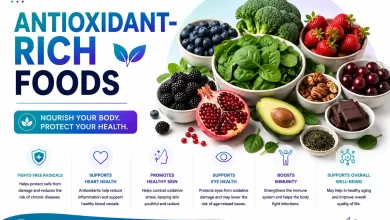
Fiber is one of the most important and often overlooked parts of a healthy diet. Unlike protein, carbohydrates, or fat, fiber passes through the digestive system largely undigested. But that doesn’t mean it does nothing.
In fact, fiber plays an important role in digestion, heart health, blood sugar control, appetite regulation, and the health of the trillions of microorganisms living in your gut.
One of the biggest mistakes people make is thinking that fiber is only important for preventing constipation. Its benefits go far beyond keeping you regular.
There are two major types of dietary fiber:
- Soluble fiber dissolves in water and forms a gel-like substance in the digestive tract. It can help slow digestion and support healthy cholesterol and blood glucose levels. Oats, barley, beans, apples, citrus fruits, chia seeds, and flaxseeds are good sources.
- Insoluble fiber does not dissolve in water. It adds bulk to stool and helps food move through the digestive tract. Whole grains, nuts, seeds, and many vegetables are good sources.
Many high-fiber foods contain a combination of both types, so the goal is not to choose one over the other. A varied diet provides the broadest benefits.
If you currently eat very little fiber, don’t try to dramatically increase your intake overnight. Increase it gradually and drink enough fluids to give your digestive system time to adjust.
If you need some additional reasons to eat more fiber each day, here are some of the biggest ones.
Let’s see how fiber benefits your body, mind and overall health.
How Much Fiber Do You Need?
Fiber needs vary with age and sex, but a useful general target for adults is roughly 25-38 grams per day. Unfortunately, many people consume considerably less than this.
The good news is that reaching your target doesn’t require special supplements or processed “high-fiber” products. You can get plenty of fiber from ordinary foods such as vegetables, fruits, beans, lentils, whole grains, nuts, and seeds.
Let’s look at some of the biggest reasons to make fiber a regular part of your diet.
Some Amazing Health Benefits of Fiber
1. Supports Healthy Cholesterol Levels
One of the best-established benefits of certain types of fiber is its ability to support healthy cholesterol levels. Soluble fiber can bind with substances involved in cholesterol metabolism in the digestive tract, helping reduce the amount of cholesterol that is reabsorbed.
As a result, regularly eating foods rich in soluble fiber can contribute to lower LDL (“bad”) cholesterol. This matters because elevated LDL cholesterol is an important risk factor for cardiovascular disease. However, fiber is only one part of the picture.
A heart-healthy diet also emphasizes vegetables, fruits, whole grains, legumes, nuts, seeds, and unsaturated fats while limiting excessive saturated and trans fats.
– Best sources:
- Oatmeal and oat bran
- Barley
- Beans and lentils
- Apples
- Citrus fruits
- Chia seeds
- Flaxseeds
2. Helps Maintain a Healthy Weight
Eating the right amount of fiber each day contributes to your quest of maintaining a healthy weight. Not getting enough fiber causes you to store excess body waste and leaves you susceptible to toxic build-up, while making you less likely to have that get-up-and-go that leads to exercise and other activities.
Being overweight or obese leaves you at a higher risk for a number of conditions and diseases. Fiber can help you avoid these maladies by putting you at the ideal weight for you. When you combine a higher fiber intake with a balanced diet and exercise weight loss comes naturally.
Fiber itself isn’t a magic weight-loss ingredient. But replacing highly refined, low-fiber foods with vegetables, fruits, legumes, whole grains, nuts, and seeds can make an overall eating pattern more filling and nutrient-dense.
– Best sources:
- Beans and lentils
- Vegetables
- Whole fruits
- Oats
- Barley
- Nuts and seeds
- Whole grains
3. Helps Support Healthy Blood Sugar Levels
Spikes in your blood sugar level can leave you feeling foggy and fatigued. It can occur from eating a carb-laden meal that isn’t properly balanced. Adding a high-fiber food that is also a healthy carbohydrate can go a long way towards feeling great all day.
Maintaining healthy blood sugar levels is important as it helps you prevent diabetes, but also keeps you at a healthy weight. It also means you’ll be alert and focused throughout the day, with steady blood sugar levels instead of spikes that lead to fatigue and foggy headedness.
Fiber isn’t a substitute for medical treatment, but a fiber-rich eating pattern can be an important part of a healthy lifestyle.
– Best sources:
- Beans
- Lentils
- Chickpeas
- Oats
- Barley
- Vegetables
- Whole fruits
- Chia and flaxseeds
4. Keeps Your Digestive System Moving
The most common benefit experienced by taking in the needed amount of fiber each day is that you’ll stay regular. This means you’ll have fewer instances of both constipation and diarrhea.
Fiber helps keep your stools soft malleable to prevent constipation, and bulks them up to prevent diarrhea. Your body needs to stay regular because it facilitates the removal of harmful toxins.
A sluggish digestive system leaves you at risk of re-absorbing toxins that the body is trying to release. Help keep it humming along by taking in the right amount of fiber for you each day.
It’s important to remember that fiber doesn’t work in isolation. If you dramatically increase your fiber intake without drinking enough fluids, you may actually experience more bloating or constipation.
– Best sources:
Almost any naturally fiber-rich plant food can contribute:
- Vegetables
- Fruits
- Beans
- Lentils
- Whole grains
- Nuts
- Seeds
5. Lowers Your Risk of Heart Disease
Fiber’s cardiovascular benefits go beyond cholesterol.
Eating more fiber-rich foods is associated with better overall cardiovascular health. Some forms of fiber can help improve cholesterol levels, while fiber-rich dietary patterns often provide potassium, magnesium, antioxidants, and other nutrients that support heart health.
There is also an important indirect benefit: replacing highly refined foods with fiber-rich whole foods can improve the overall nutritional quality of your diet.
A bowl of oatmeal, for example, provides considerably more nutritional value than a breakfast made primarily from refined carbohydrates.
– Best sources:
- Oats
- Barley
- Beans
- Lentils
- Nuts
- Seeds
- Fruits
- Vegetables
6. Nourishes Your Gut Microbiome
A healthy colon is the cornerstone to overall wellbeing, and has trickle-down benefits to many other systems of the body. Contrarily, when it’s clogged and dysfunctional, evidence of the dysfunction will surface in in other areas as well.
You just can’t have a healthy colon without getting enough fiber over the long term. Eventually the cumulative effect of insufficient fiber will take its toll, and you’ll lose some efficiency of the colon, causing complications of all types, like constipation, IBS, hemorrhoids, and others.
Your large intestine is home to trillions of microorganisms collectively known as the gut microbiome. Certain types of dietary fiber serve as food for beneficial gut bacteria.
When these bacteria ferment fiber, they produce compounds called short-chain fatty acids, including acetate, propionate, and butyrate. These compounds are involved in maintaining the intestinal environment and supporting normal gut function.
Different fibers feed different microorganisms, which is another reason variety matters. Instead of relying on one fiber source every day, aim to eat a wide range of plant foods.
– Best sources:
- Onions
- Garlic
- Leeks
- Asparagus
- Bananas
- Oats
- Barley
- Beans
- Lentils
- Chickpeas
- Nuts and seeds
7. Lowers Your Risk of Hemorrhoids
Hemorrhoids can be a painful and intense condition, and can be caused by or worsened by hardened stools caused by a lack of fiber.
Straining to go and spending longer on the toilet than would otherwise be necessary are two contributing factors when it comes to hemorrhoids.
If you’ve ever had a case of hemorrhoids, you definitely don’t want to experience it again, and eating a diet rich in fiber can help make sure it doesn’t recur.
If you’ve never been through it but would rather just avoid it altogether, increasing your fiber to the recommended daily suggestion is a smart move.
– Best sources:
- Leafy green vegetables
- Beans
- Lentils
- Oats
- Whole grains
- Pears
- Berries
- Prunes
- Chia seeds
8. May Help Prevent Cancer
Fiber and colorectal cancer deserve a more careful explanation than simply saying “fiber prevents cancer.”
Research has found an association between higher fiber intake – particularly fiber from whole grains and a lower risk of colorectal cancer. Several mechanisms may contribute, including improved stool bulk, faster transit, production of beneficial fermentation products, and the displacement of less nutritious foods from the diet.
Getting enough fiber each day has been linked to a decreased rate of many types of cancers, including breast cancer, prostate cancer, and colon cancer, although studies on each of these have had mixed results. Fiber may not have been shown to directly responsible for cancer prevention, but it adds to a properly functioning body that is at a healthy weight and is keeping toxins from lingering around.
However, fiber should not be presented as a guarantee against cancer.
Cancer risk is influenced by many factors, including genetics, age, body weight, physical activity, alcohol consumption, smoking, and overall diet. The best approach is to think of a high-fiber diet as one component of a broader cancer-prevention lifestyle.
– Best sources:
- Whole grains
- Beans
- Lentils
- Vegetables
- Fruits
- Nuts and seeds
9. Keeps Skin Healthy
Fiber benefits the body in so many ways, some of which we’ve seen can mean the difference between life and death, while others simply help you look and feel your best each day.
By getting enough fiber you’ll be helping to flush out toxins that would otherwise cause outbreaks and blemishes. You’ll also be preventing constipation, which can lend a hand to an assortment of unwanted skin conditions.
Keeping hydrated while you increase your fiber intake is important, especially for the skin, so make sure you’re drinking enough water while you get more fiber.
– Best Sources:
- Fresh fruits
- Fresh vegetables
- Beans
- Nuts
10. Supports a Healthier Gut and Colon
Fiber doesn’t simply move through your digestive system – it interacts with your intestinal environment.
Adequate fiber helps maintain healthy stool bulk and supports the microbes that live in the colon. Fermentation of certain fibers produces short-chain fatty acids that are important to the health and function of the large intestine.
A consistently low-fiber diet, on the other hand, can make it more difficult to maintain healthy bowel habits.
It’s worth noting that conditions such as IBS are complex. Fiber can help some people, while certain types or large amounts may worsen symptoms in others. If you have a diagnosed digestive condition, your ideal fiber intake may need to be individualized.
– Best sources:
- Vegetables
- Fruits
- Beans and lentils
- Whole grains
- Nuts
- Seeds
11. May Improve Overall Energy and Well-Being
Fiber doesn’t provide a magical “energy boost,” but a fiber-rich eating pattern can help you build meals that are more filling and nutritionally balanced.
For example, a meal containing beans, vegetables, whole grains, and healthy fats is generally more satisfying than one based primarily on refined carbohydrates.
Better digestion and more satisfying meals can also make it easier to maintain consistent eating habits. However, there’s an important balance here: more fiber isn’t always better.
Increasing fiber too quickly can cause:
- Gas
- Bloating
- Abdominal discomfort
- Changes in bowel movements
If this happens, reduce the pace of increase and give your digestive system time to adapt.
12. May Help Support Brain and Metabolic Health
The benefits of fiber may extend beyond the digestive and cardiovascular systems.
Fiber-rich diets are associated with better overall diet quality and can contribute to healthier metabolic markers. Emerging research is also exploring the relationship between the gut microbiome, inflammation, metabolism, and brain health.
This area of research is promising, but it is still developing. It would be premature to claim that eating fiber directly prevents neurological diseases or dramatically improves mental performance.
What we can say with confidence is that fiber-rich foods are part of a dietary pattern associated with many aspects of better long-term health.
– Best sources:
- Vegetables
- Fruits
- Beans
- Lentils
- Whole grains
- Nuts
- Seeds
13. Gives You a Lighter Feeling
Getting the right amount of fiber will give you a light and bouncy feeling, and put a pep in your step. You won’t feel fatigued and sluggish like you do when you’re constipated carrying around extra body waste.
You’ll have energy and feel like being active when you’re regular day in and day out. One way to tell if you’re getting too much fiber is that you won’t feel light and buoyant, but rather gassy and bloated.
Make sure that you only get the amount of fiber required, and don’t be overzealous in your quest to get enough. As always with proper health, moderation is key.
– Best Sources:
- Beans
- Fruits
- Vegetables
- Nuts
14. Helps Lower the Risk of Stroke
We’ve already seen how fiber can help prevent heart disease, but it specifically helps with one condition in particular: stroke. One reason fiber helps you avoid a stroke is that it helps to lower your blood pressure, one contributing factor to a higher risk of stroke.
Helping to lower your cholesterol is another factor in lowering your stroke risk. The combination of a lower blood pressure and lower cholesterol could be enough to shift you out of the danger zone and back to the healthy side of the stroke risk chart.
– Best Sources:
- Oatmeal
- Fruits
- Vegetables
The Bigger Secret: Variety Matters
One of the biggest mistakes people make is focusing on a single “best” source of fiber.
Oatmeal is excellent. Beans are excellent. Fruits and vegetables are excellent. But your body benefits from getting different types of fiber from many different plant foods.
Think about building a diverse fiber portfolio.
For example, during one day you might have:
- Oats and berries at breakfast
- An apple and a handful of nuts as a snack
- Lentil or chickpea curry with vegetables for lunch
- A vegetable-rich dinner with whole grains
- Chia or flaxseed added to yogurt or a smoothie
You don’t need to eat all of these foods every day. The principle is simply to eat a wide variety of plant foods throughout the week.
How to Increase Fiber Without Feeling Bloated
If you’re currently eating very little fiber, don’t make a huge jump overnight.
- Increase fiber gradually. Add one extra serving of a high-fiber food every few days.
- Drink enough fluids. Fiber and adequate hydration work together.
- Eat more whole foods. Prioritize vegetables, fruits, legumes, whole grains, nuts, and seeds.
- Keep the skin on fruits and vegetables when appropriate. The skin often contains additional fiber.
- Choose whole fruit instead of juice.
- Add beans and lentils to meals. They’re inexpensive, versatile, and exceptionally rich in fiber.
- Try oats, chia, or ground flaxseed at breakfast.
- Don’t rely entirely on fiber bars or processed “high-fiber” products. Whole foods provide fiber alongside vitamins, minerals, and other beneficial compounds.
Final Thoughts
Fiber is far more than a nutrient that “keeps you regular.”
A consistently fiber-rich diet can support healthy cholesterol levels, blood glucose control, appetite regulation, bowel function, cardiovascular health, and a diverse gut microbiome. It can also contribute to a healthier overall dietary pattern.
The key is consistency.
You don’t need to transform your diet in a single day. Start by adding an extra serving of vegetables, switching refined grains for whole grains, eating whole fruit instead of juice, or adding beans or lentils to one meal.
Over time, these small changes can add up.
Your goal shouldn’t simply be to eat more fiber. It should be to eat a greater variety of minimally processed plant foods and make them a regular part of your everyday diet.
That’s where the real long-term benefit lies.



One Comment