

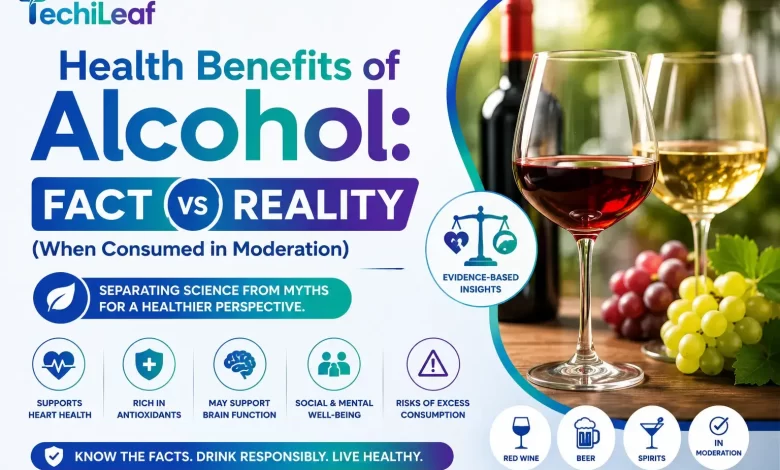
Humans have consumed alcohol for thousands of years, and debates about its effects have existed just as long. It is a drug called Ethanol (as if you care!), which is psychoactive that leads to us going bonkers when we have it in excess.
While heavy or binge drinking is harmful, some research suggests that moderate alcohol consumption may offer certain health benefits of Alcohol. However, these benefits depend heavily on how much and how often alcohol is consumed.
What Is Alcohol and How Does It Affect the Body?
Alcohol, chemically known as ethanol, is a psychoactive substance that affects the central nervous system. Once consumed, it is quickly absorbed into the bloodstream and processed by the liver.
In small amounts, alcohol can create a relaxing effect, improve mood, and stimulate certain biological responses. However, in large quantities, it can impair judgment, damage organs, and increase the risk of chronic diseases.
The key factor that determines whether alcohol is beneficial or harmful is quantity and frequency of consumption.
Understanding Moderate Alcohol Consumption
Before delving into the potential health benefits of Alcohol, it’s crucial to establish what constitutes moderate alcohol consumption. According to various health organizations, moderate drinking is typically defined as:
- Women: Up to 1 drink per day
- Men: Up to 2 drinks per day
Standard Drink Sizes:
- 12 ounces (355 ml) of beer
- 5 ounces (150 ml) of wine
- 1.5 ounces (45 ml) of distilled spirits
Moderation means consistent, controlled intake, not saving drinks for one day (binge drinking).
Potential Health Benefits of Alcohol When Taken in Moderation
1. Supports Heart Health
Moderate alcohol consumption has been associated with improved cardiovascular health. Research from the Harvard T.H. Chan School of Public Health suggests that small amounts of alcohol can increase levels of HDL (good cholesterol), which helps remove harmful cholesterol from the bloodstream.
This process reduces plaque buildup in arteries and lowers the risk of heart disease. Additionally, compounds like resveratrol found in red wine may protect blood vessels and reduce inflammation. Higher HDL levels provide better protection against heart diseases (Basically, improves your heart’s plumbing).
Moderate alcohol consumption also improves sensitivity to insulin and factors related to clotting of blood. Hence the chances of blood clots that caused blocked arteries in the heart, brain and neck are relatively decreased. The health benefits of alcohol of this study are applicable to both women and men.
- Increases HDL (good cholesterol)
- Improves blood vessel function
- Reduces risk of heart disease and stroke
- Contains antioxidants like resveratrol
2. Reduces Risk of Gallstones
Gallstones form due to hardened cholesterol in the gallbladder. According to a study conducted by at the University of East Anglia, drinking two standard drinks of alcohol daily can decrease the risk of gallstones by one-third. They also said that if consumed in excess, alcohol can adversely affect a person’s health.
- Improves digestion
- Reduces cholesterol buildup in bile
- Lowers gallstone risk
- Supports gallbladder health
3. Improves Blood Circulation
Alcohol, when consumed in moderation, can improve blood circulation by reducing the tendency of blood to clot. According to studies cited by the American Heart Association, moderate intake may prevent platelets from sticking together, lowering the risk of dangerous clots that can cause heart attacks or strokes. Better circulation also ensures efficient oxygen delivery throughout the body.
- Acts as a mild blood thinner
- Reduces risk of clot formation
- Improves oxygen supply to organs
- Supports overall vascular health
4. Helps Regulate Blood Sugar Levels
Moderate alcohol consumption has been linked to improved insulin sensitivity. Research published by the American Diabetes Association indicates that individuals who consume alcohol in controlled amounts may have a lower risk of developing type 2 diabetes compared to heavy drinkers.
Alcohol helps the body use insulin more effectively, reducing insulin resistance. These findings were also supported by a study published in the American Journal of Nutrition.
- Improves insulin sensitivity
- Helps regulate blood glucose levels
- May reduce risk of type 2 diabetes
- Supports metabolic health
5. May Reduce Risk of Dementia
While the short term effects of alcohol involve memory loss, long term effects of alcohol involve decrease in the chances of Dementia. A study back in 1977 reported that moderate drinkers are 23% less likely to develop Alzheimer’s, cognitive impairment or dementia.
The benefits of drinking alcohol in moderation makes brain cells more fit and toughens them up to cope with stress in the future. If the consumption is truly moderate, it can actually be beneficial. According to research referenced by the National Institute on Aging, moderate alcohol intake may improve blood flow to the brain and support neural resilience, helping brain cells cope with aging and stress.
- Supports brain function
- May reduce risk of Alzheimer’s disease
- Improves blood flow to the brain
- Enhances neural resilience
6. Enhances Memory and Cognitive Function
Moderate alcohol consumption has been associated with improved memory, especially in older adults. Studies published in journals like The Journal of Nutrition suggest that light drinking may enhance episodic memory and cognitive performance.
This may be due to improved neural activity and blood circulation in brain regions like the hippocampus. Similarly, older individuals who engage in moderate drinking have higher episodic memory – the ability to remember events.
They will also have a larger volume in the hippocampus, a brain region which plays a crucial role in the memory, through boosting the growth of new nerve cells in that region of the brain.
- Improves memory performance
- Supports cognitive function
- Enhances learning ability
- May benefit older adults
7. Provides Antioxidant Protection
Certain alcoholic beverages, especially wine, contain antioxidants such as polyphenols. According to studies referenced by Mayo Clinic, antioxidants help fight free radicals that damage cells and contribute to aging and chronic diseases.
- Fights oxidative stress
- Protects cells from damage
- Supports anti-aging effects
- Reduces risk of chronic diseases
8. May Support Bone Health
Moderate alcohol consumption, particularly beer, contains dietary silicon, which is important for bone formation. Research suggests that silicon helps improve bone density and reduces the risk of osteoporosis when consumed in small amounts.
- Supports bone formation
- Increases bone density
- Reduces osteoporosis risk
- Contains beneficial minerals like silicon
9. Helps with Stress Reduction and Relaxation
Alcohol is often associated with relaxation and stress relief. In moderate amounts, it can reduce tension and promote a sense of well-being. While this benefit is psychological, it plays a role in improving mental health when not abused.
- Reduces stress temporarily
- Improves mood
- Promotes relaxation
- Supports social bonding
10. May Contribute to Longevity
If you drink on special occasions only, then you can end up adding a few extra years to your life (Yay! more years to drink!) A study by a university in Italy showed that consuming two or four drinks a day for women and men respectively reduces the percentage of death by 18%.
Small amount of alcohol, preferably with meals seems to be the right way to drink. Wine, especially, is ideal to be taken with lunch OR (one time only) dinner. The rest of the day must be alcohol free.
- Supports overall well-being
- Linked to lower mortality risk (in some studies)
- Improves quality of life
- Encourages social engagement
Words of Caution
Keep this thing in mind that alcohol may not benefit everyone who drinks moderately. Also, there isn’t enough evidence to prove that non-drinkers should up their alcohol intake.
In addition to that, people with alcohol addiction or a less severe alcohol use should not be swayed in engaging in alcohol use just because some studies have documenting health benefits of alcohol.
Our take away home message is very simple: Any health benefits of alcohol are likely to be overpowered by the many adverse health risks of drinking it.
Final Words
Look people, anything consumed in extreme is always going to be harmful for you. Moderation is the best way to go when it comes to alcohol consumption. And for those non-drinkers who came across this article, DON’T START DRINKING!
This article on the health benefits of alcohol is for those who have already reserved a berth in hell (Yeah right!) for drinking. And for those who do drink, let me quote a character from Inglorious Bastards:
“There’s a special rung in hell reserved for people who waste good scotch”
So get those glasses out and drink your way to good health!
Frequently Asked Questions
Are risks and health benefits of alcohol different for men and women?
Well, there is a gender gap in drinking alcohol as even light to moderate drinking can lead to female breast cancer.
For men, light to moderate drinking is not related to risk of cancer. That doesn’t mean that its protective but it won’t increase the risk.
Other individual factors, like living in an area with high pollutants level, may boost the cancer risk.
Does the type of alcohol influence its health benefits?
Some experts also say that red wine is better for your heart than white because of antioxidants like resveratrol, which are found in greater amounts in red wine.
However, the pattern of drinking matters more than the type of beverage.
Is there a truly safe level of drinking alcohol?
But, there is a sensible level of drinking, which must be tailored to the individual.
And yes, “saving up” all the drinks reasonable per week and drinking them all at once is called binge drinking not sensible drinking.
Therefore, experts also advise not to drink more than two or three times a week.
To be on the safe side, a glass of wine or other alcohol maybe twice a week is enough. However, a healthier pattern for many individuals is to have a small amount every day.


2 Comments