We’ve all been there…you spend a weekend eating junk food and stuffing yourself will all kinds of nonsense, and then you have something like a junk food hangover and feel like total crap.
Then you tell yourself, I’m going to eat healthy, and workout more! And maybe you keep it up for a week or so, but then you succumb to the lure of the junk, and the vicious cycle resumes.
Why though do some foods make us feel horrible, and some foods can lift our mood up and increase our motivation?
What foods are these, and how do they alter the way our bodies and our minds function?
What foods and dietary habits should we focus on to help get out of a rut, and feel as awesome as we can?
Let’s discuss shall we?
How Food Affects Our Emotions
1. Good Protein and Good Carbohydrates
In my article about bananas, I mentioned that serotonin acts as a neurotransmitter that influences many physical and psychological functions like mood, sexual desire, appetite, and sleep.
I also mentioned that while the serotonin in some foods can’t directly cross into your brain, a precursor to serotonin called tryptophan can.
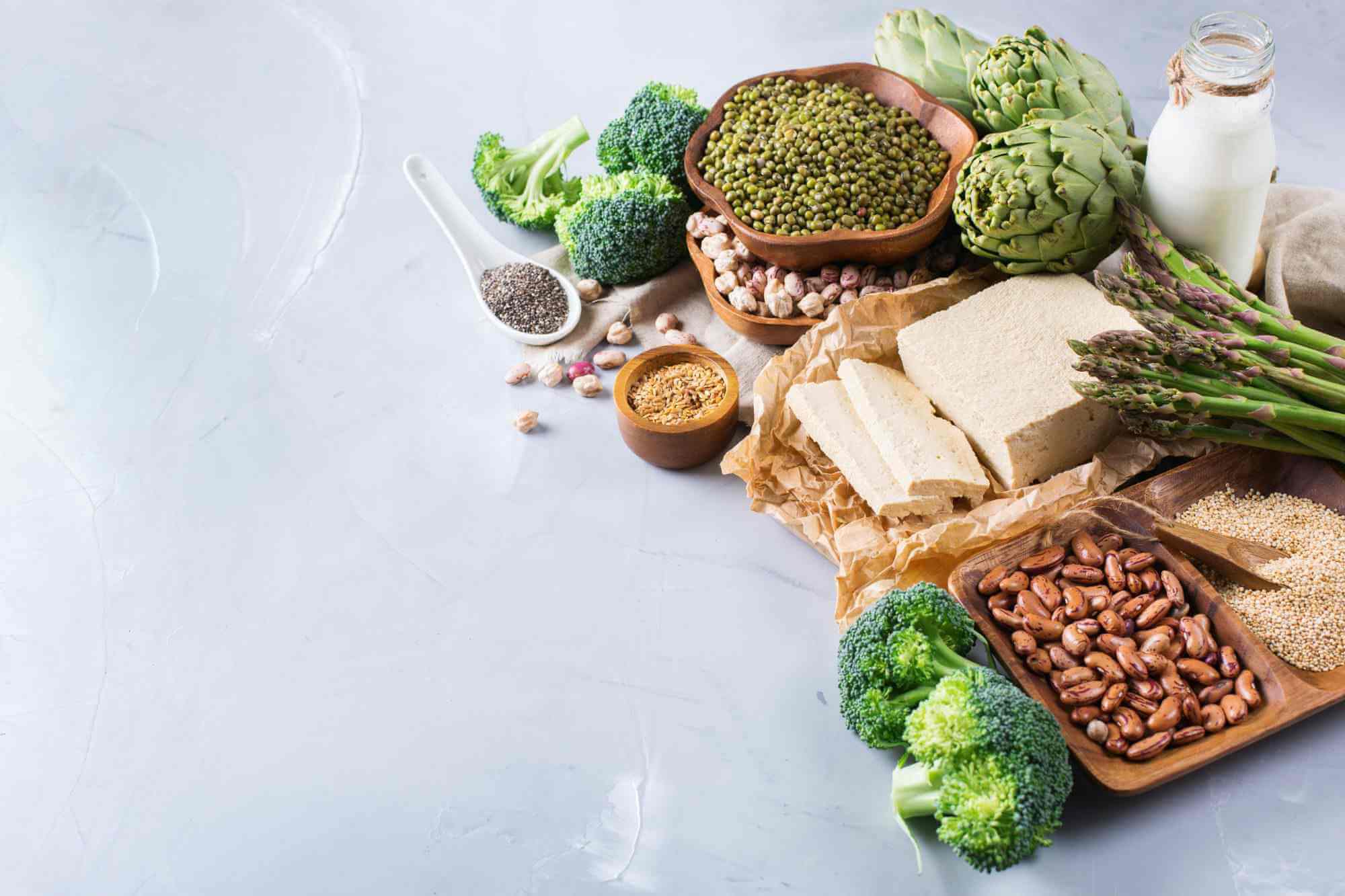
Tryptophan is found in many protein rich foods such as:
- Seeds and nuts
- Soybeans
- Cheese
- Lamb, beef, and pork
- Chicken and turkey
- Fish and shellfish
- Oats
- Beans
- Eggs
But eating foods high in tryptophan alone is not the most efficient way for our brains to synthesize serotonin.
Research in the American Journal of Clinical Nutrition analyzed brain levels of tryptophan and serotonin through a diet not only high in protein, but rich in carbohydrates.
The study concluded that a breakfast high in both protein and carbohydrate likely increases tryptophan concentrations and serotonin synthesis beyond high protein meals alone.
The lesson here is to focus on good carbohydrates such as whole grains, vegetables, and fruits that are high in fiber.
2. Vitamin B
Vitamin B has been a hot topic in nutrition and energy, and because of this recent popularity, many energy drinks come packed with vitamin B. I would not, however, advocate chugging these for your fill.
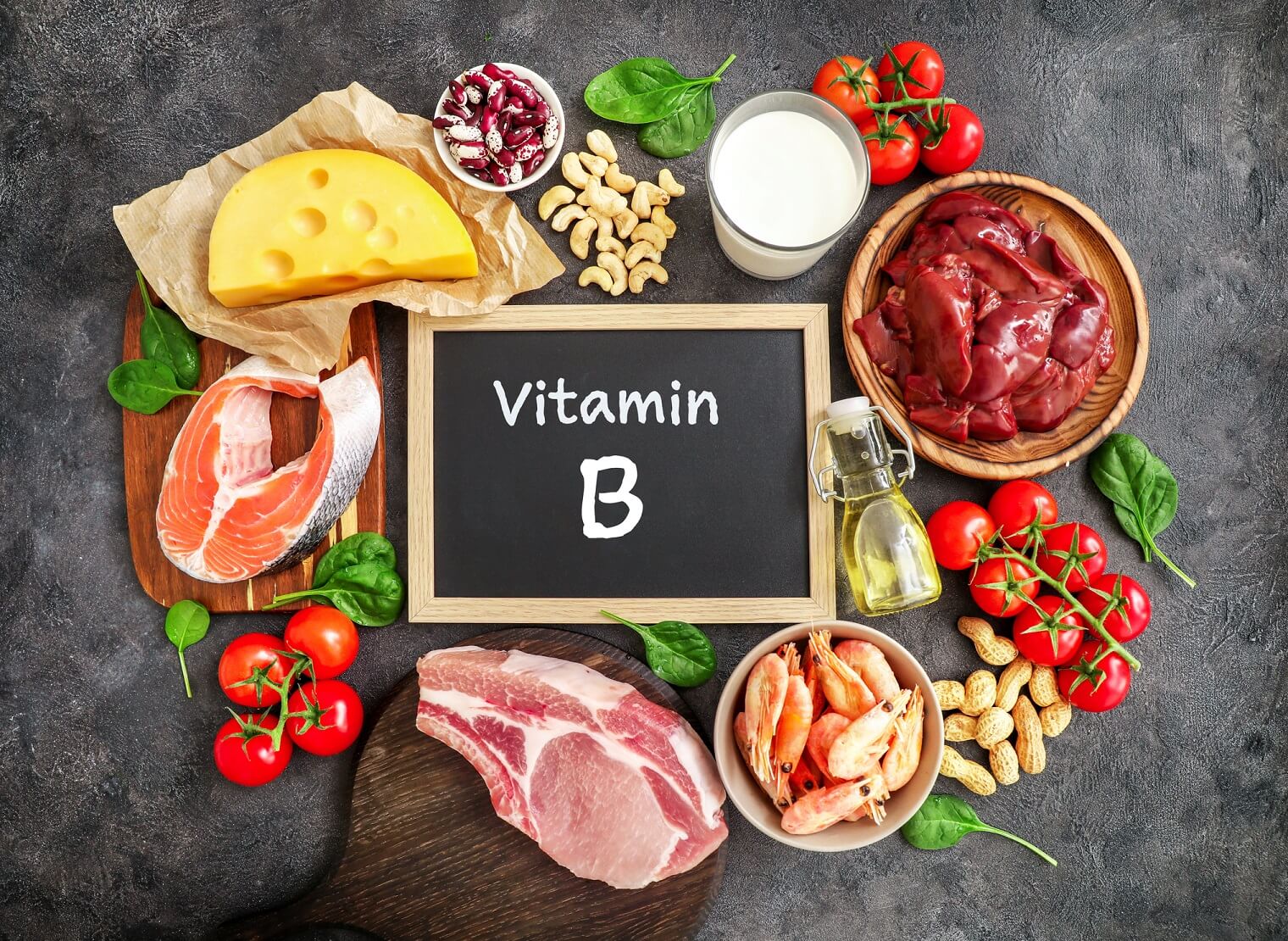
Some important functions of B vitamins include:
- Vitamin B1 (Thiamine) – Improving reaction time
- Vitamin B2 (Riboflavin) – Reducing headaches
- Vitamin B3 (Niacin) – Reducing anxiety, diabetes symptoms, preventing Alzheimer’s, and reducing arterial plaque
- Vitamin B5 (Pantothenic Acid) – Reducing acne
- Vitamin B6 (Pyridoxine) – Reducing the risk of colon cancer
- Vitamin B9 (Folate) – Regulating mood
- Vitamin B12 (Cyanocobalmin) – Reducing memory loss and improving cognition
So it is clear that B vitamins play an important role in both our mood and our health. So what foods should we look to for natural sources of these key vitamins?
Here’s a summarized list from an article on Livestrong:
- Vitamin B1 (Thiamine) – Pork, ham, leafy green vegetables, and fortified whole-grains
- Vitamin B2 (Riboflavin) – Milk, Greek yogurt, asparagus, and dark leafy greens
- Vitamin B3 (Niacin) – Chicken, turkey, fish, and fortified whole-grains
- Vitamin B5 (Pantothenic Acid) – Liver, eggs, yogurt, and avocado
- Vitamin B6 (Pyridoxine) – Poultry, seafood, bananas, and potatoes
- Vitamin B9 (Folate) – Leafy greens and fortified whole grain products
- Vitamin B12 (Cyanocobalmin) – Soy products, shellfish, fish, and beef
It’s clear that B vitamins play various roles in both health and mood regulation. It’s also clear that a balanced diet with a good mix of proteins, whole-grains, and leafy vegetables will provide you with all the benefits of having an adequate amount of B vitamins in your system.
3. Selenium
Here’s a less commonly known one, at least to me. The body uses selenium to maintain a properly functioning thyroid. Not only that, but in a study in the Biological Psychiatry Journal, Dr. Wayne C. Hawkes analyzed the effects of dietary selenium on mood.
What he found was that men who were low in selenium showed increased levels of hostility and depression. The results indicated that low selenium plays a role in depressed moods in the brain.
The current daily value recommendation for selenium are as follows:
| Group | Recommended Dietary Allowance |
| Children 1-3 | 20 micrograms/day |
| Children 4-8 | 30 micrograms/day |
| Children 9-13 | 40 micrograms/day |
| Adults and children 14 and up | 55 micrograms/day |
| Pregnant women | 60 micrograms/day |
| Breastfeeding women | 70 micrograms/day |
So we can see that while selenium may be important in controlling hostility and depression, some good news is that we really don’t need to take in that much.
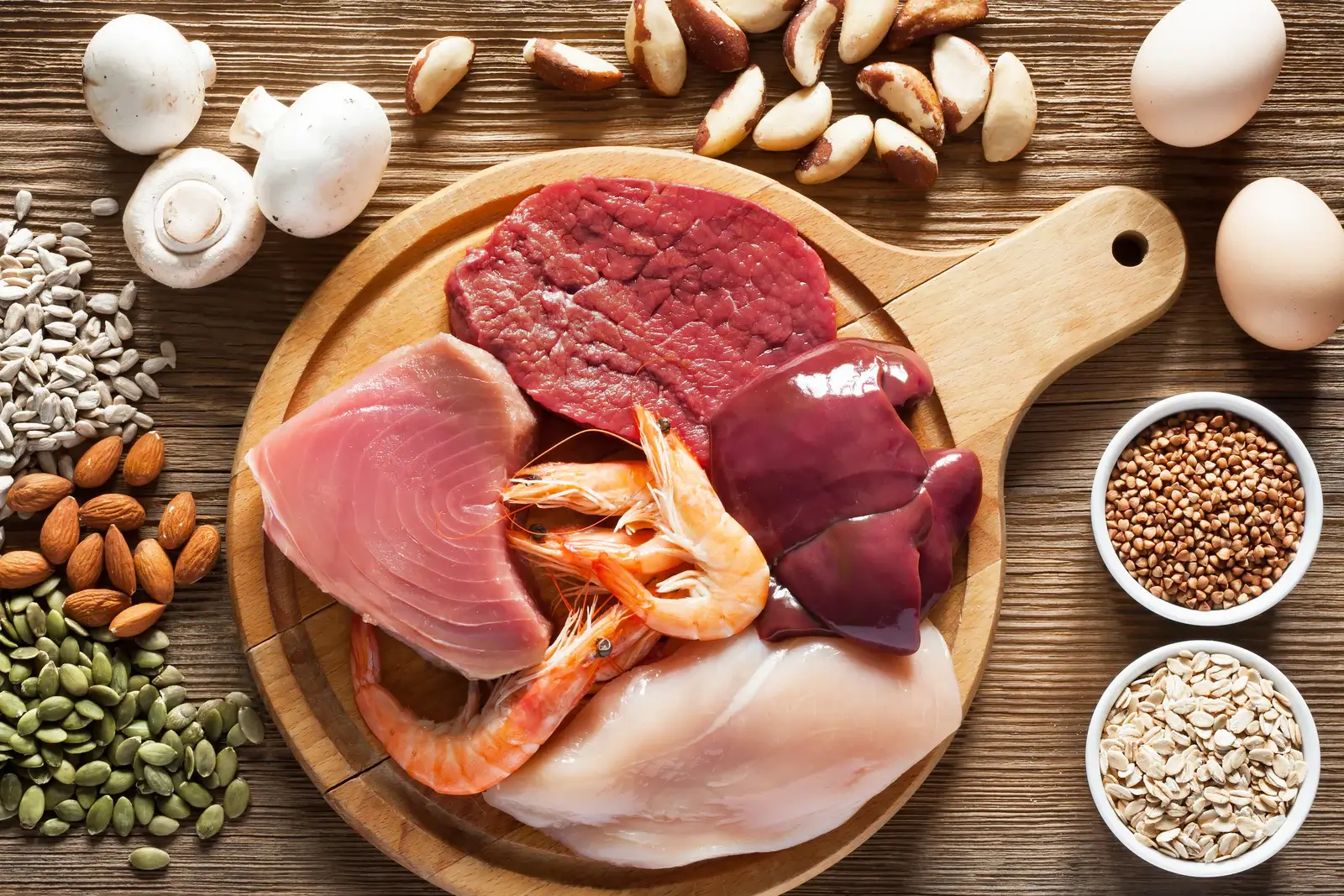
Here are some foods that are high in selenium:
- Brazil nuts
- Oysters
- Fish
- Whole-grains
- Sunflower seeds
- Pork
- Beef & lamb
- Chicken and turkey
- Mushrooms
You may notice that many of these food lists have a lot of overlap. The trend you’re seeing is that many high quality foods like lean meats, fish, poultry, leafy greens, and whole-grains show up on all of these lists. Like I said before, pursuing that balanced diet will provide you with all the benefits seen here.
4. Omega 3 Fatty Acids
I’ve mentioned several times here about the benefits of good fats and omega 3 fatty acids, just to name a few.
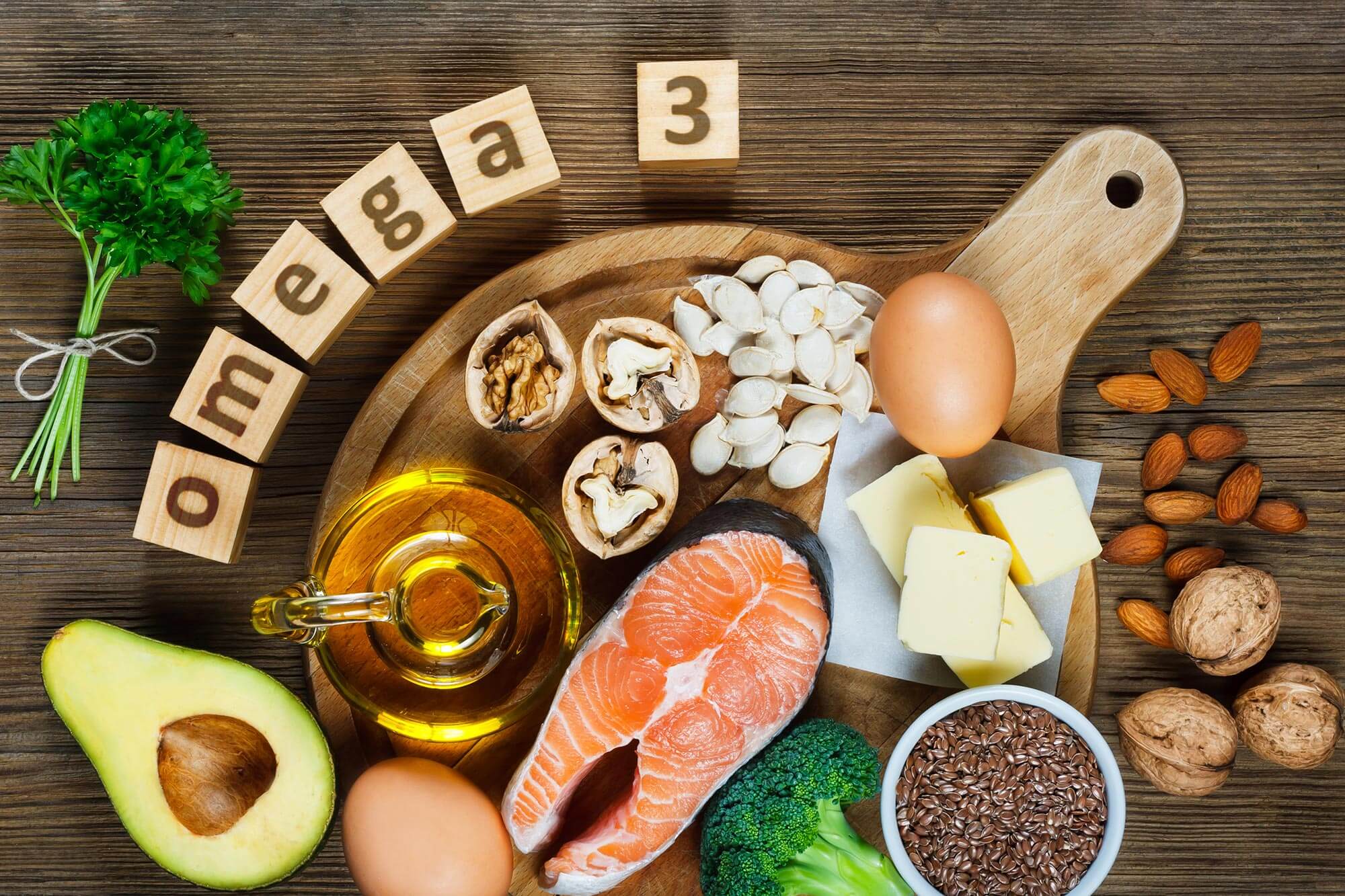
Now I’ve mentioned uses, benefits, and even went into some depth about the different types of cholesterol and how your body reacts to it. But there’s a deeper benefit to omega-3s, and that benefit has to do with how omega-3 anti-inflammatory properties affect depression and anxiety.
A study posted in the Journal of Brain Behavior and Immunity analyzed whether omega-3 supplementation would decrease the production of cytokines – chemical switches that contribute to depression. The study team took 68 medical students and gave them either placebo capsules or omega-3 supplements. Those receiving the omega-3 supplements showed a 20% reduction in anxiety symptoms. Omega-3 in your diet is extremely important despite its ability to enhance mood, but this a huge plus.
5. Dark Chocolate
What post about food and mood would be complete without a mention of chocolate?
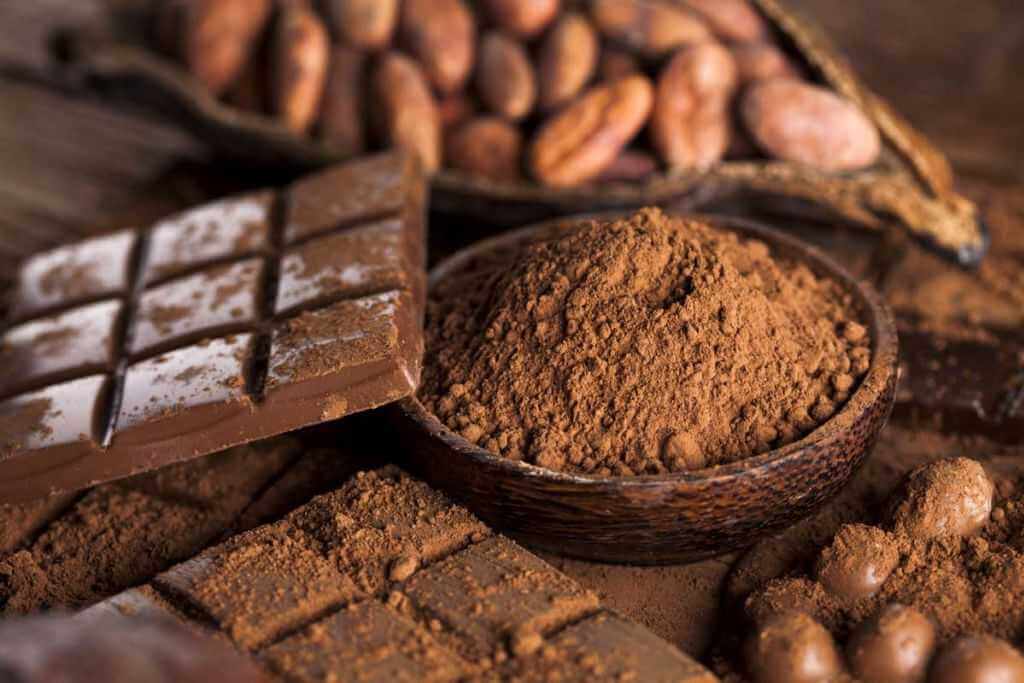
Now is this a myth thrown at us by chocolate lovers as an excuse to eat more chocolate?
Actually no, there is science backing this ladies and gentlemen!
Dr. Mercola posted an article back in 2009 that chocolate as an aid to stress had received support from a clinical trial. Researchers found that volunteers who ate chocolate for two weeks had reductions in stress hormones. The most effective chocolates were those with high flavanol antioxidants, namely, unsweetened dark chocolate.
6. Caffeine
A cup of Joe in the morning is pretty common. In fact, 50% of the population, or 150 million Americans drink coffee. And we know why too. Coffee wakes us up with a caffeine induced buzz.
But researchers like Dr. Norman B. Schmidt, PhD, are becoming increasingly concerned about caffeine’s role in panic and anxiety disorder. “If you tend to be a high-strung, anxious person”, says Schmidt, “using a lot of caffeine can be risky”.
Numerous research studies have shown that excessive caffeine can trigger things like rapid heartbeat, restlessness, nervousness, agitation, and insomnia. All of these can also trigger anxiety and panic attacks. Caffeine causes an over activity of the fight or flight response in our bodies.
As I suggested in my article about green tea, it is preferable to take in more green tea, and less coffee. Green tea not only increases alertness and metabolism, but has much less caffeine while doing the same job, not to mention numerous health benefits as well.
7. Refined Sugar
I’ve written here about sugar a few times, including explaining 15 foods that surprisingly have dangerous amounts of sugar, and tips on how to reduce excess sugar from your diet. Not only is sugar linked to cavities, diabetes, various health maladies and cancers, but it can trigger depression too.
According to the dailymail.co.uk, sugar can make depression and anxiety worse, as well as change the way the brain responds to stress.
It should be noted that sugar doesn’t cause anxiety, but the effects of sugar on the body can make symptoms worse. As sugar is metabolized and insulin is released, we can experience fatigue, difficulties in thinking, and general illness. And these symptoms can trigger anxiety and panic attacks.
8. Alcohol
Alcohol, in small amounts, can be good for most people. But there has to be limits.

Although alcohol seems like a stimulant, it is actually a depressant and works by altering the levels of serotonin and other chemicals in your brain. So while alcohol is in your system, you’re feeling pretty great, usually. But once it wears off, your brain is used to the depressed effects, and is now working in overdrive to compensate.
According to the Anxiety and Depression Association, about 7 percent of Americans have this specific alcohol induced anxiety.
The reasons why alcohol affects people this way:
- Mood – As mentioned earlier, alcohol messes with our serotonin levels, and once it wears off, the serotonin is lacking, this can cause anxiety and depression.
- Blood sugar – Alcohol increases insulin secretion and causes low blood sugar, which can make us feel nervous, shaky, and numb.
- Dehydration – One of the worst feelings is being dehydrated, causing nausea, fatigue, and light-headedness.
- Nervous system – Alcohol puts us in a depressed state, and once it wears off our brains go into an overdrive of hyperactivity, which can easily lead to anxiety.
- Heart rate – Both during and after consumption of alcohol, the heart rate can race, which can trigger nervousness and anxiety
As with all substances, moderation is key. But if you are the type that is sensitive to alcohol, or have a type A personality prone to anxiety. I’d consider seriously limiting your intake.
It’s About Balance (and some Exercise)
There are many links to what we consume and how it makes us feel. We’ve gone over things to eat more of, and things to avoid. The real key as with most health endeavors is to seek a lifestyle change that promotes health and balance.
Eating high quality foods, meats, fish, and taking in enough whole-grains and leafy greens will take you far in feeling better. Remember to moderate sugar, caffeine, and alcohol.
Most importantly, supplement your improved diet with a balanced training regimen. Exercise can vastly improve your mood through the release of endorphins.
If you are sedentary and just getting back into improving your health, start with 15-20 minutes of low intensity cardio, just to develop the initial habit of some sort of training. Perform this cardio 2-3 times a week for the first two weeks, and then start increasing the intensity levels. Pretty soon, you’ll have worked out for a month, and you’re on the road to a new lifestyle change.
What about you? Are there any foods you have noticed that either elevate or depress your mood?
Make sure to comment and share them with me!